Appliance
Samsung cooktops
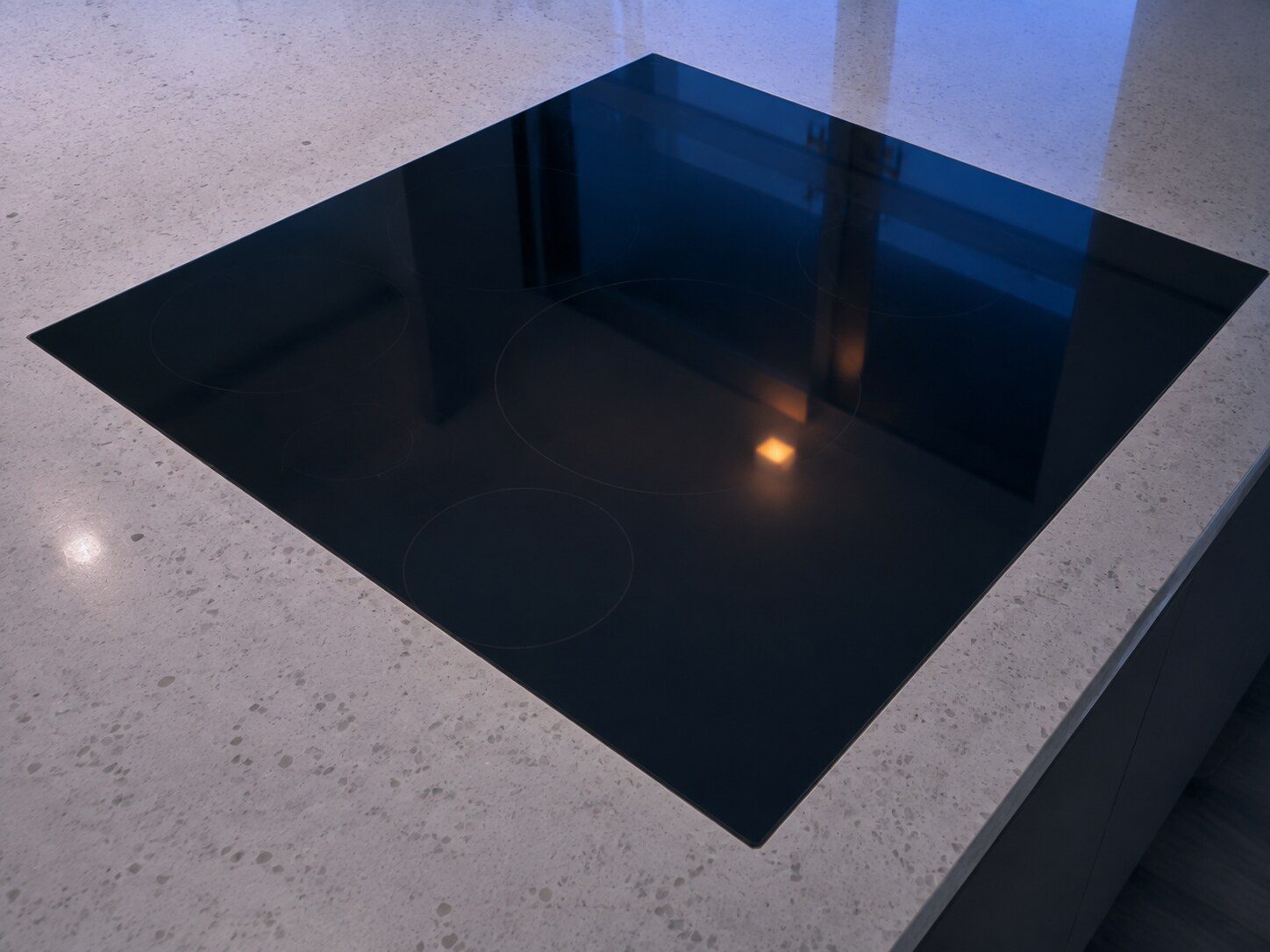
Twenty in the catalog, split between induction, electric radiant and gas, in 30 and 36 inch widths. A cooktop is the one appliance on this badge with no code table of its own: the only code Samsung publishes for a cooking surface is the induction pan-detection symbol, and it lives on the range page because the range shares the panel.
- 2 symptoms we are called out to
- From $95 diagnostic, credited to the repair
- 59 cities and neighborhoods covered
- OEM parts available on order
The short version
What this equipment is, for a repair
Configurations
Induction · electric radiant · gas · 30 and 36 inch · sync burners · anti-scratch glass
Access
Planned before the visit, not discovered on arrival
Parts
OEM, available on order
Diagnostic
From $95, credited to the repair
What goes wrong with it
Symptoms we are called out to on Samsung cooktops
Each one covers the likely causes in the order they are worth checking, and what to do in five minutes before booking anything.
-
A dark panel, or one that responds and does nothing Range will not turn on
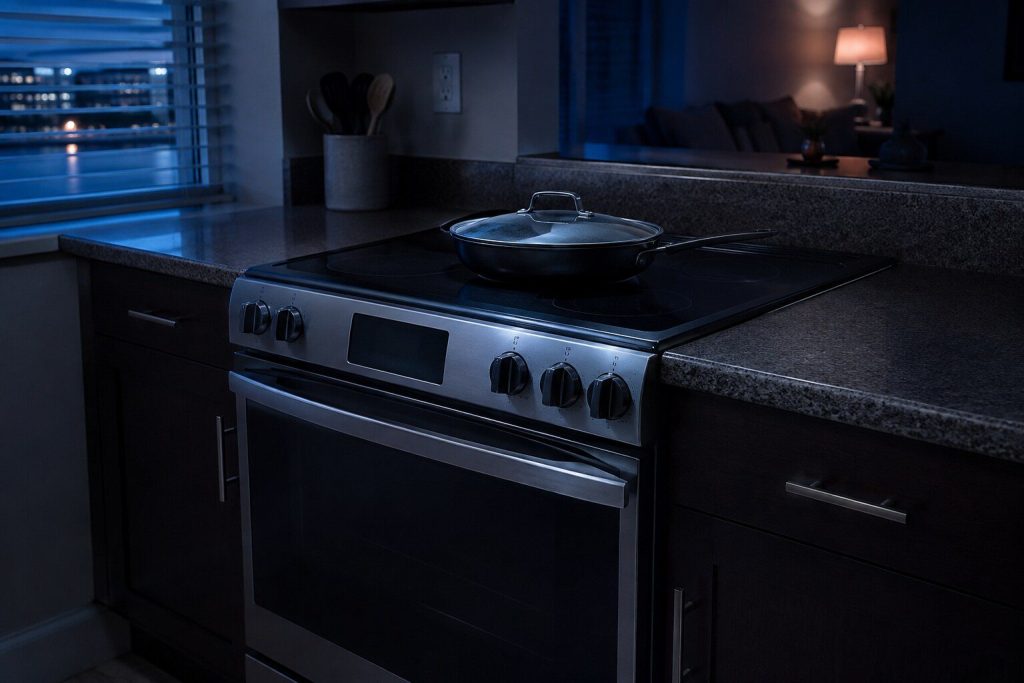
A completely dark panel on a range is a supply question. A panel that lights up and refuses is a mode, a lock or an interlock — and on this make there are two specific interlocks worth knowing about before anybody is called.
- Samsung's bAd LinE means the power connection, not the appliance
- Cooktop in use blocks Self Clean and is not an error
- Control lock is set by accident while cleaning, constantly
-
One zone dead and the rest are fine Cooktop burner not working
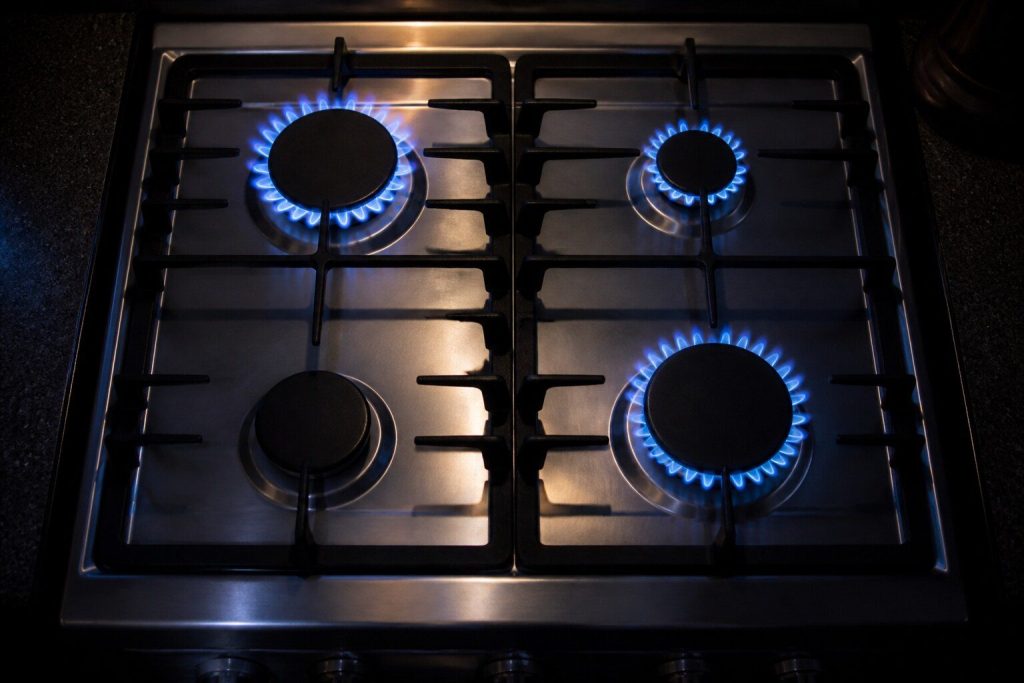
The most useful complaint on a cooktop because it splits the diagnosis in half immediately. One dead zone points at that zone. Everything dead at once points at supply or control. And on induction there is a third answer that costs nothing: the pan.
- One zone or all of them is the whole first question
- On induction, Samsung's underlined u is cookware rather than a repair
- On gas, a cap a millimeter off its seat clicks forever
What we do on it
Repairs we carry out on Samsung cooktops
Starting figures for this equipment in South Florida. The exact cost is confirmed after an on-site diagnostic — and this is not the whole list of what can go wrong, so call if your problem is not here.
-
from $95 Diagnostic visit
One visit, one technician, one answer in writing. On this make the diagnostic starts with something most makes cannot offer: the appliance usually has something to say. A code, a combination of blinking lights, or on a Family Hub refrigerator a stored list of everything it has recorded. Reading that properly is half the job, and it is free to do.
- The model number and what the appliance is reporting, read before anything is opened
- Blinking lights and Family Hub self-check included, because they are codes on this make
- Written findings and a from-price before any part is ordered
-
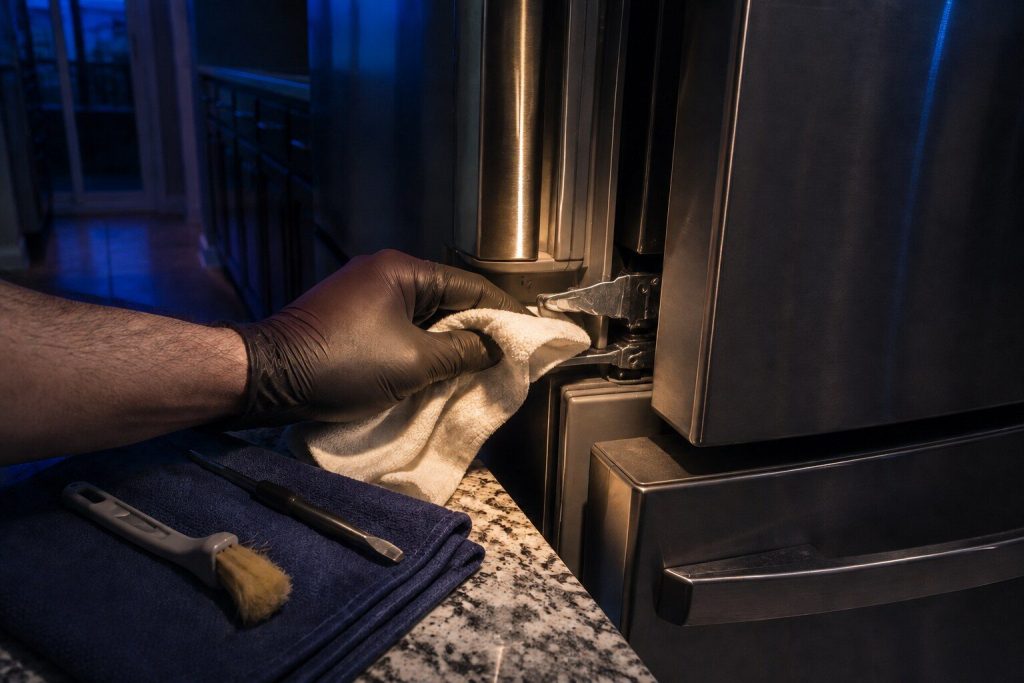
from $125 Appliance maintenance
An annual visit for the things that fail slowly enough that nobody notices until they stop. In this climate that list is longer than it would be anywhere dry: condenser coils, door gaskets, dryer ducts, dishwasher filters and the drum of a front-load washer all degrade quietly, and every one of them is cheaper to maintain than to repair.
- Condenser coils, gaskets and door seals checked and cleaned
- Dryer duct and lint path, which is the one that matters most
- Filters, drains and water lines on everything that uses water
-
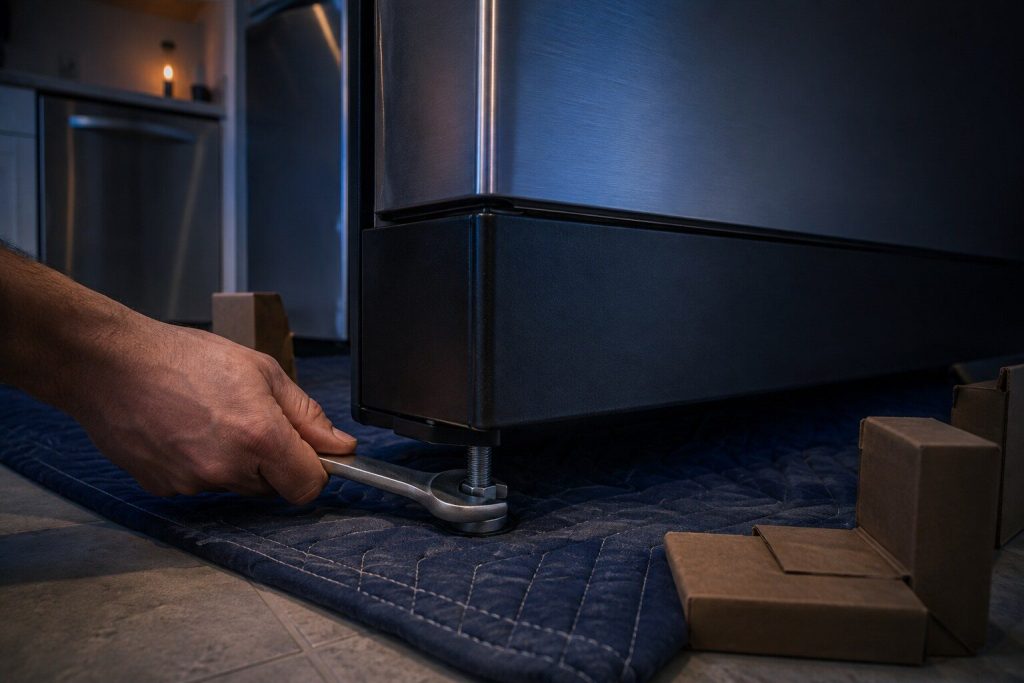
from $145 Appliance installation
Fitting an appliance so that it works the way it was designed to, and so that the next person who has to service it can reach it. A surprising share of the calls on this site are installation errors surfacing months later — hoses crossed, a dishwasher drain plug never removed, a dryer vent crushed behind the machine.
- Levelled, connected, tested and left working
- Water, drain and vent connections done properly rather than quickly
- Old appliance disconnected and moved out
-
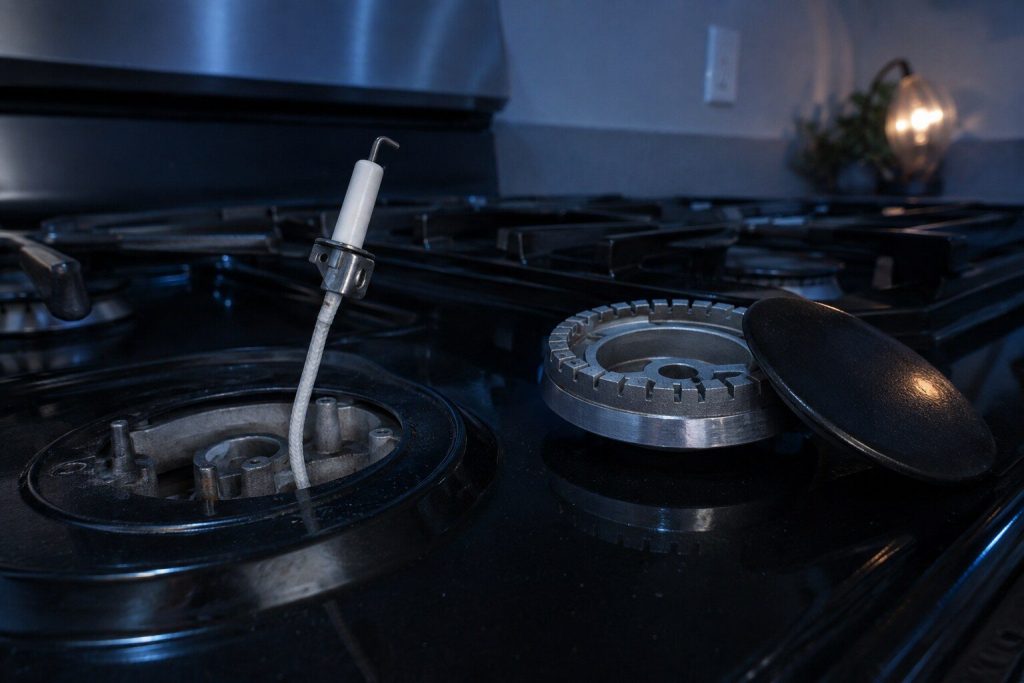
from $165 Range igniter replacement
A gas burner that clicks and will not light, or one that lights slowly enough to worry you. The igniter is the usual answer, but two cheaper things come first and they fix a real share of these calls: a burner cap that is not seated, and a burner that was washed and put back before it was dry.
- Cap seating and moisture eliminated before the part
- Spark module checked when every burner clicks
- Oven igniters as well as cooktop burners
-
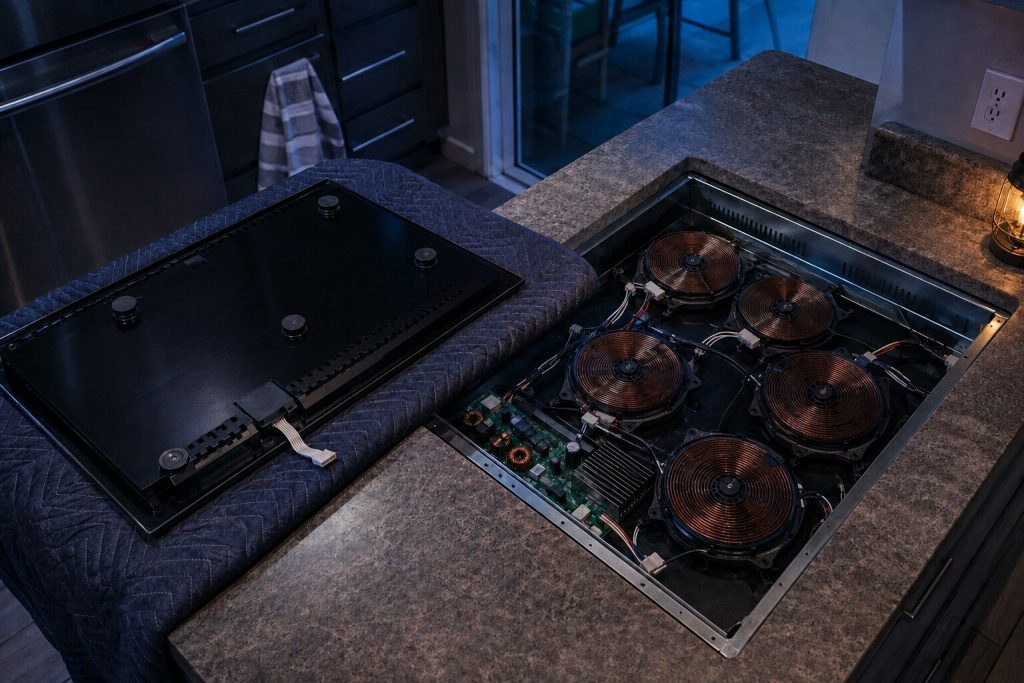
from $235 Induction cooktop repair
Induction fails electronically because it is electronics: a coil, a power board and a cooling fan under the counter that most owners do not know exists. Before any of that, though, comes the pan — Samsung's underlined u code is pan detection, and nine times in ten it is cookware rather than a repair.
- Pan detection eliminated first, at no cost
- Coils, power board and the under-counter fan tested
- C-F0 checked against the models Samsung fixes with a software update
-
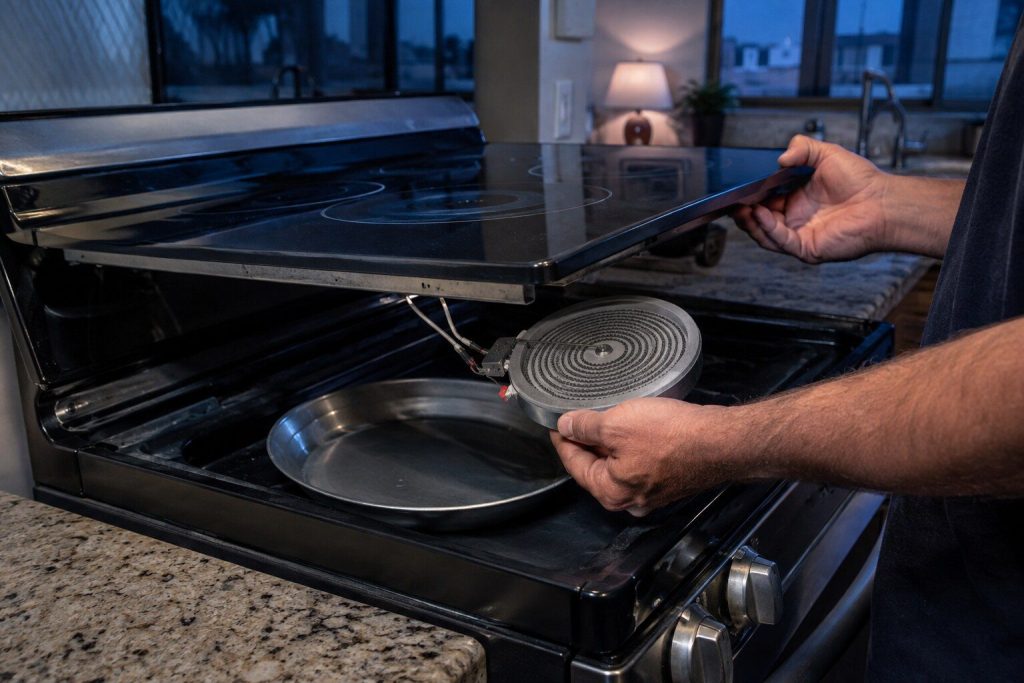
from $155 Cooktop element repair
One zone dead on a radiant electric top, or a whole top that has stopped responding. One dead zone points at that zone; everything dead at once points at supply or control. The touch panel is worth eliminating first on either, because a control lock set by accident while cleaning looks exactly like a failure.
- Control lock and moisture checked before anything is opened
- Elements, infinite switches and the touch board tested separately
- Honest advice about cracked glass, which is not repairable
-
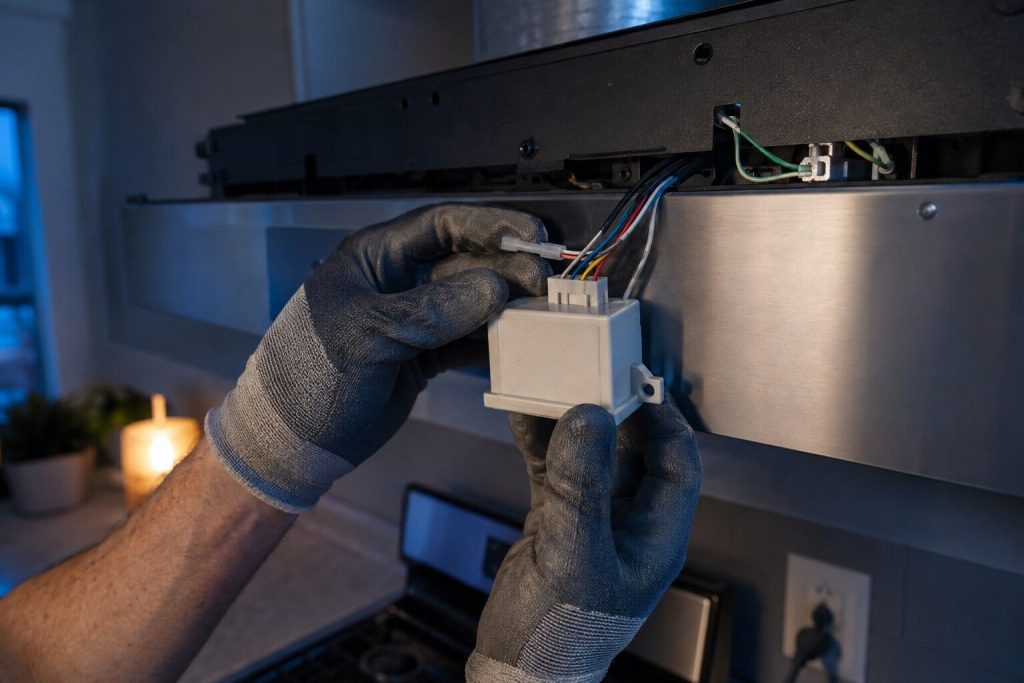
from $95 Range hood pairing service
A Samsung hood can pair with a Samsung range or cooktop so that the fan starts when cooking does. It is a good feature and it is also a new way for a perfectly healthy hood to look broken. Samsung publishes a procedure for re-pairing, and a power cut, a firmware update or a changed network is usually all it takes to lose it.
- Pairing restored before anything is called a hardware problem
- Firmware and network checked on both appliances
- The cheapest visit on this site, and often the whole answer
-
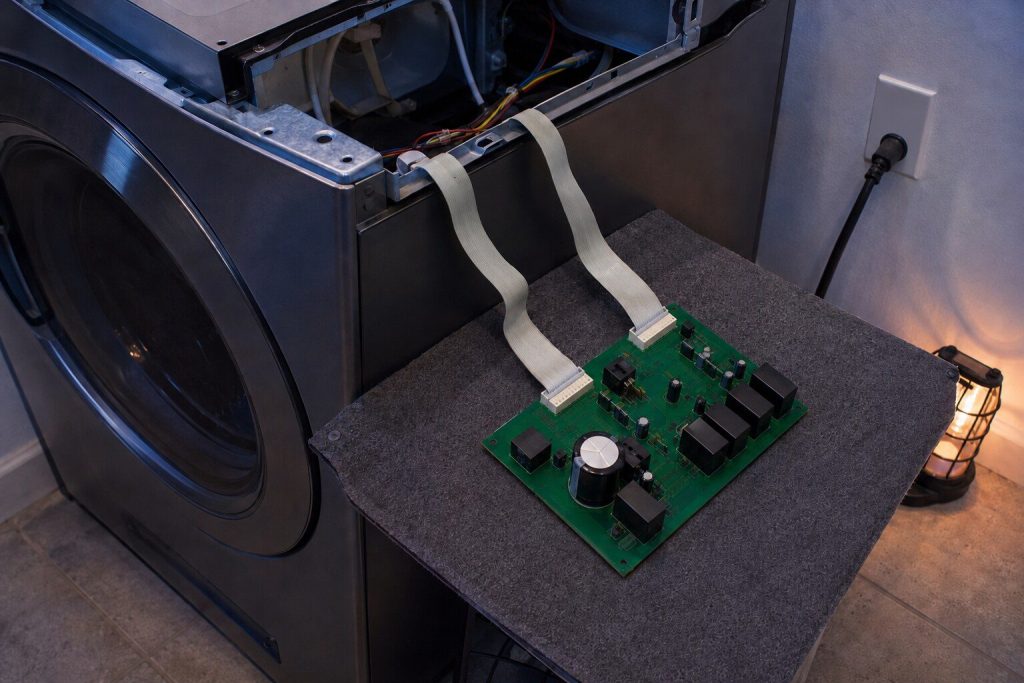
from $265 Appliance control board repair
The most expensive part in most of these machines and the one most often blamed for something else. Communication codes — CE on a dishwasher, AC on a dryer, C-F0 on a range — mean two boards have stopped agreeing, and the connection between them is checked before either one is quoted.
- Harnesses and connectors checked before either board
- Boards measured rather than swapped on suspicion
- Model configuration handled, because a new board needs it
-
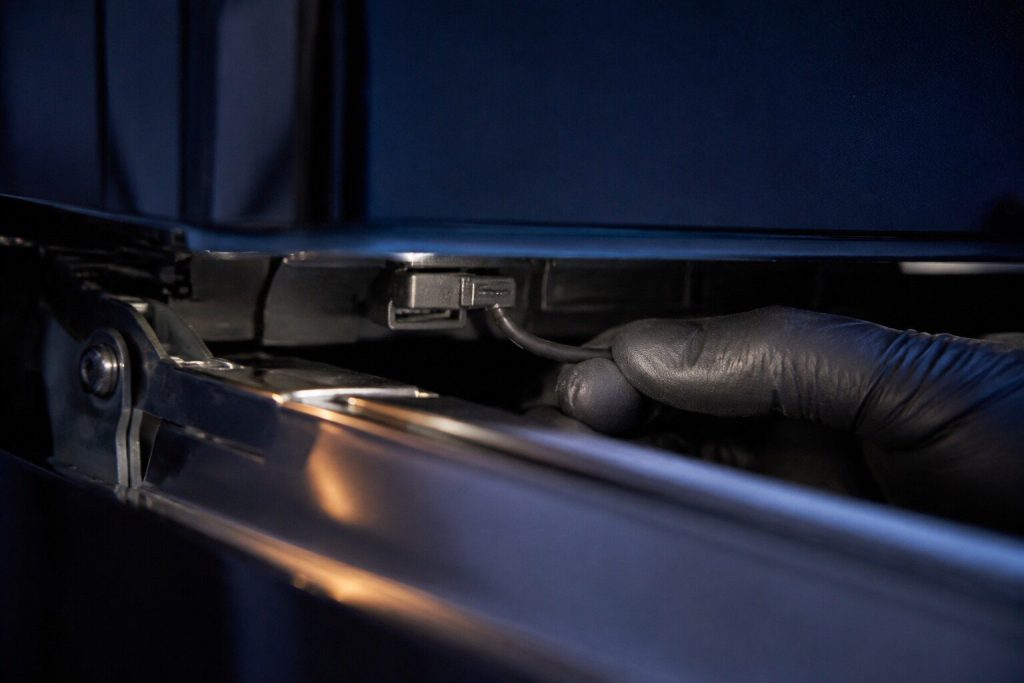
from $95 Smart diagnosis and firmware service
A visit that exists because on this make software is sometimes the repair. Samsung names specific models where a code is resolved by a firmware update rather than a part — C-F0 on three induction ranges, the 9C1 a stacked washer reports for its dryer — and a Family Hub refrigerator can hand over a stored list of every code it has recorded.
- Family Hub self check read and written down
- SmartThings connection, updates and the fixes Samsung publishes for them
- The cheapest visit on the site, and sometimes the only one needed
In more detail
About Samsung cooktops
Three technologies, one piece of glass
Induction heats the pan directly with a coil beneath the glass and needs magnetic cookware; the failures are electronic, and the fan under the counter matters more than people realize. Electric radiant heats an element under the same glass and fails the way elements and switches do. Gas fails at the igniter, the cap, the valve and the supply. The glass on top of two of them looks identical and the repairs have almost nothing in common.
Why there is no cooktop code list here
Because Samsung does not publish one. The only code that belongs to a cooking surface in their US support base is the underlined u for pan detection on induction, and it appears on the range and wall oven page. Everything else a Samsung cooktop can tell you, it tells you by behavior, and that is what the symptom pages carry.
This article is based on:
- Official manufacturer documentation
- Internal repair procedures
- Technician repair history
- Company quality standards

Before you book
Questions about Samsung cooktops
One burner does not work and the rest are fine.
The most useful complaint on a cooktop, because it splits the diagnosis in half. One dead zone points at that zone — its element or coil, its switch, its connection — while everything dead at once points at supply or control. On induction there is a third possibility worth eliminating first: the pan. A zone that refuses one pot and accepts another is doing its job.
The glass has a crack. Can it still be used?
No. A cracked ceramic or induction top is a safety matter rather than an appearance one — liquid gets under it and it is carrying a heating element or a coil — and it should be switched off at the breaker until it is replaced. We will tell you honestly whether the glass alone is available for your model, because on some it is and on some it is not.
My gas burner clicks and will not light.
Almost always the igniter or the burner cap. A cap that is off-seat by a millimeter will click forever, and a burner that has been washed and put back damp will do the same until it dries. If every burner clicks and none lights, look at the supply before the appliance.
The panel does not respond to touch.
Check the lock first — every one of these tops has a control lock and it is easy to set by accident while cleaning. After that, a capacitive panel that has gone unresponsive is usually moisture or a failed touch board, and Samsung has its own article on exactly this for the electric tops.
Where we do it
Across Miami-Dade, Broward, and Palm Beach
Same terms everywhere we go: an on-site diagnostic first, the price agreed in writing, and the exact figure confirmed once we have seen the unit.
Neighborhoods people ask for by name