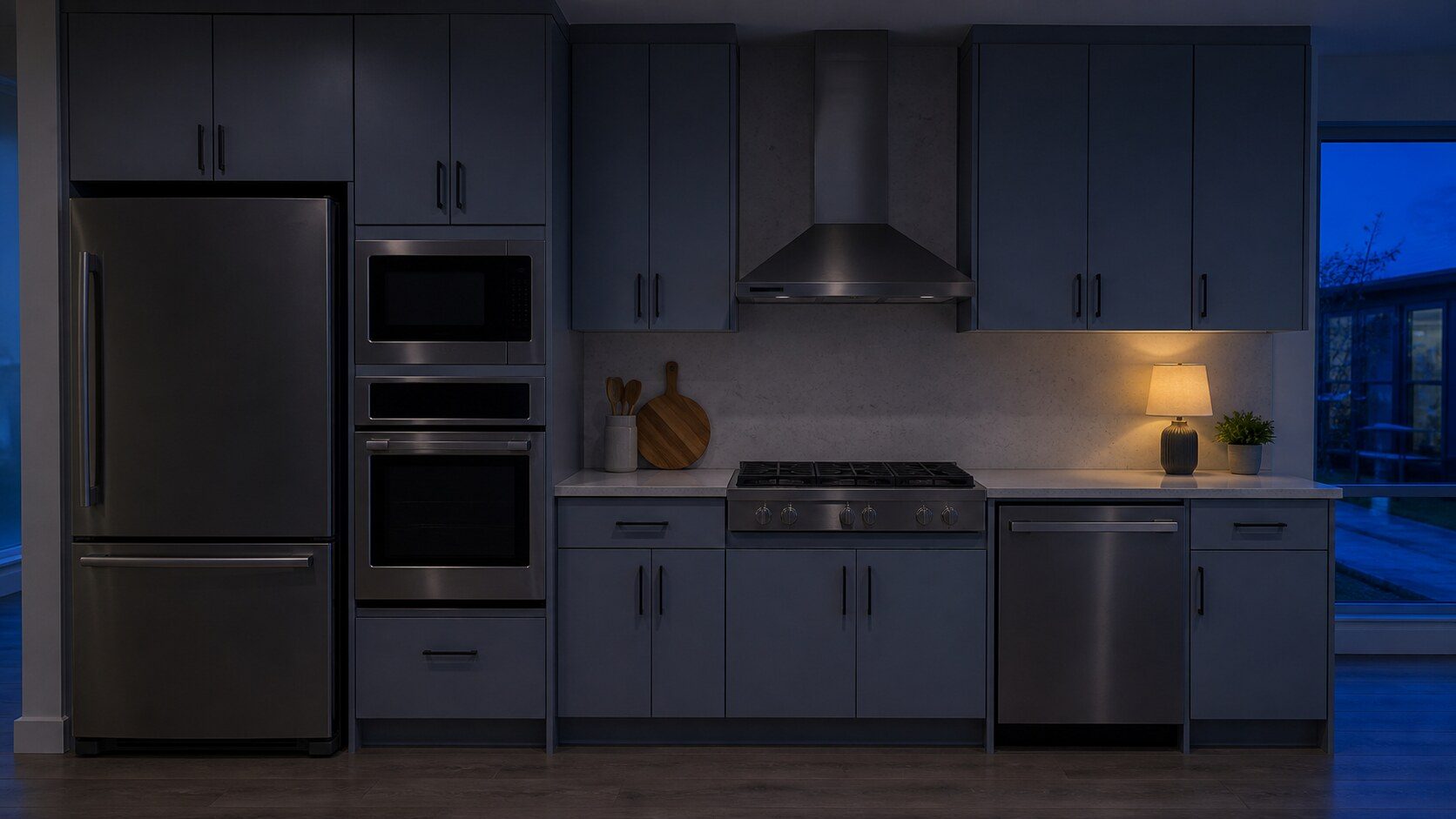
The ice maker is the single most common repair on this make and the appliance about which Samsung publishes the least — no codes at all. What it does publish is five separate reset procedures, one for each place it puts an ice maker: in the freezer door, in the fresh-food compartment, in the bottom of a bottom-freezer cabinet, in the top of a top-freezer, and in a dedicated cubed and Ice Bites assembly. Those are different machines with different fill paths. Naming the layout is the first genuinely useful thing an owner can do.
11 appliances · 43 jobs
Everything Samsung builds for a kitchen, and the three it tells you nothing about when they go wrong.
Samsung is the widest make this company works on. Eleven appliance types, from a four-door refrigerator with a screen in it to a hood that pairs itself with the cooktop below. Three of those eleven publish no error codes at all, and the pages for those three say so rather than borrowing a table from somewhere else.
- 11 appliance types
- 130 codes and signals published by the maker
- 3 appliances the maker publishes nothing for
- 56 model pages
Start from the appliance
What each one is, and what tends to go wrong with it here
Each card covers what Samsung actually sells in that category, what fails in a South Florida kitchen, and what the maker does and does not publish about it.
-
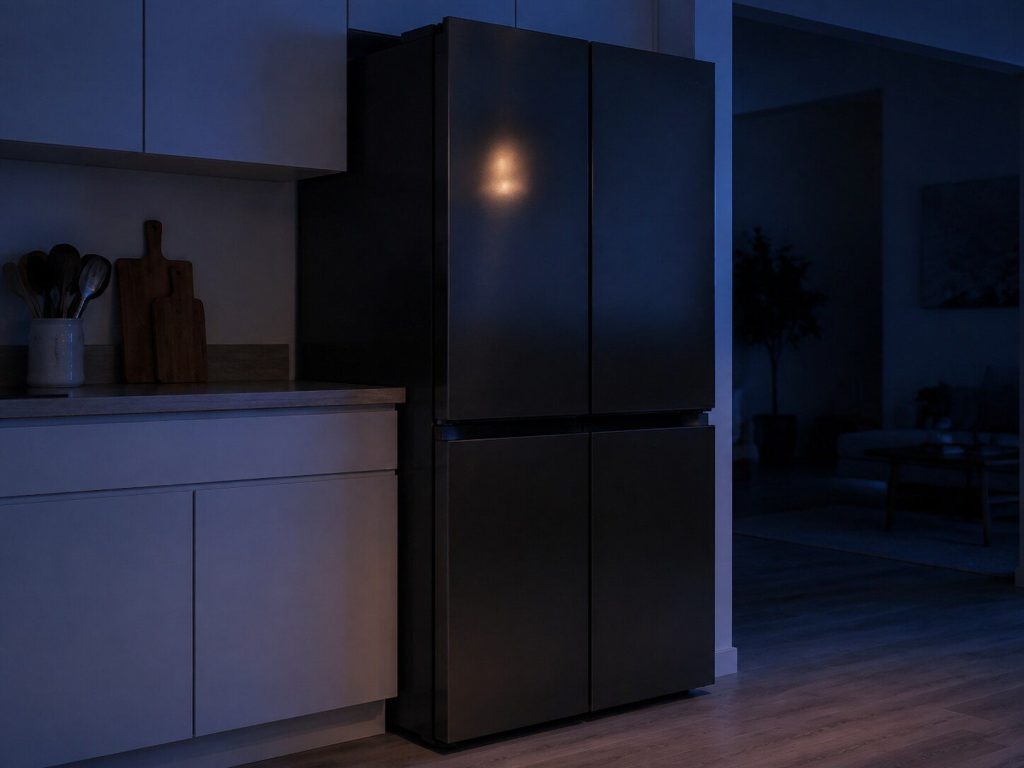
French door · 4-Door Flex · side-by-side · top and bottom freezer · Bespoke panels Samsung refrigerator
The largest part of what Samsung sells in this country, and the appliance behind most of the calls we take on this badge. Seventy-seven of them are in Samsung's own catalog right now, fifty-one of those Bespoke, and the majority of what goes wrong in a South Florida kitchen is not the sealed system — it is ice, water, a fan that has frozen up, or a door that stopped sealing in a house where the air is wet nine months of the year.
- French door, 4-Door Flex, side-by-side, top and bottom freezer
- Family Hub screens, and the self-check that lists the codes
- Ice and water work is most of the call volume on this make
-
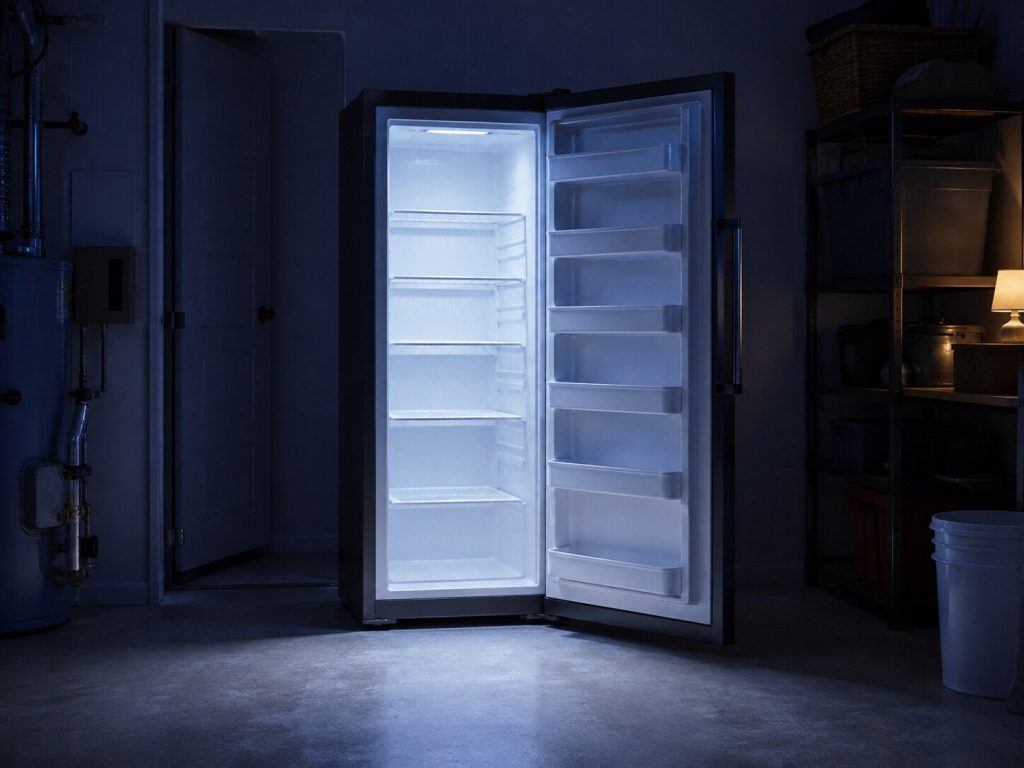
Convertible upright · the freezer half of a French door · FlexZone drawers Samsung freezer
Samsung's freezing happens in three different places, and only one of them is a freezer you can buy on its own. Most of the freezer work we do on this badge is inside a refrigerator: the freezer compartment of a French door, a FlexZone drawer switched over to freeze, or the bottom of a bottom-freezer cabinet. All three fail differently, and none of them has a code table of its own.
- The freezer half of French door, side-by-side and bottom-freezer cabinets
- FlexZone and 4-Door Flex compartments that convert to freezing
- The convertible upright, which Samsung sells as a standalone
-
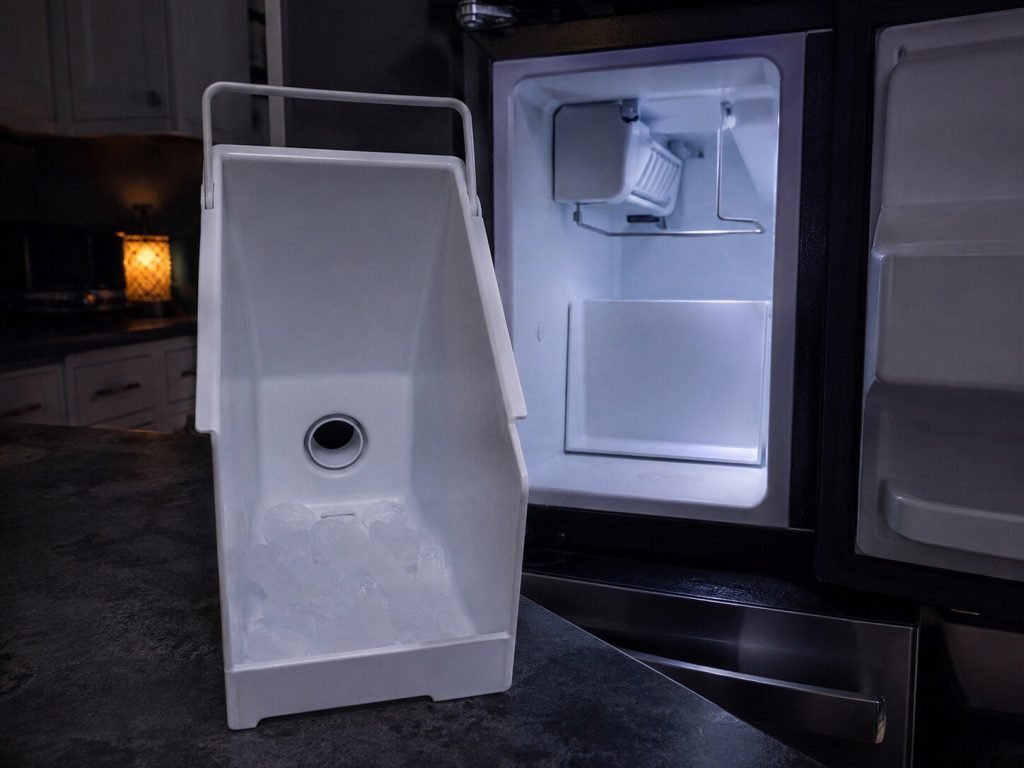
In-door · fridge compartment · bottom and top freezer · Dual Auto · cubed and Ice Bites Samsung ice maker
The single most common complaint on this badge, and the one where the least is published. Samsung builds ice in five different places depending on the cabinet, and the reset procedure is different for every one of them — the maker has five separate articles about it. There is no error code for any of it. What there is, is a set of failures that repeat so consistently that we can usually tell you on the phone which one you have.
- Five cabinet layouts, five different reset procedures
- Freezing up, not filling, not dropping, making too much
- No codes are published for this appliance — the symptom is the diagnosis
-
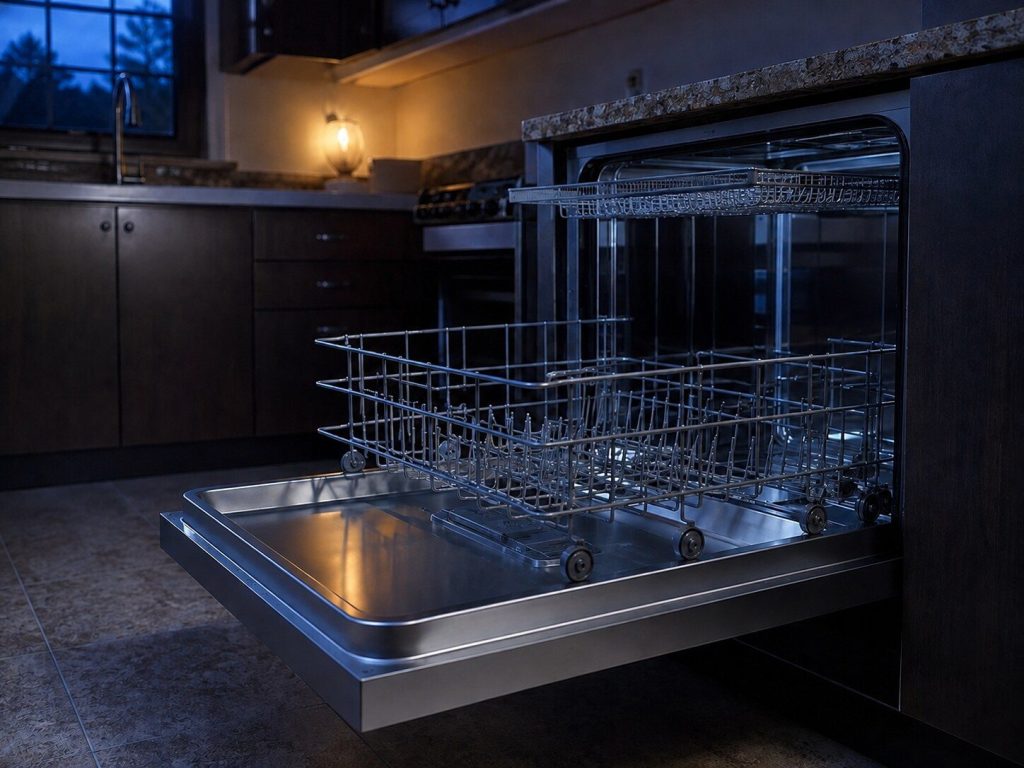
StormWash · Linear Wash · WaterWall · third rack · AutoRelease · Bespoke fronts Samsung dishwasher
Twenty in the current catalog, most of them between 38 and 46 dBA, and almost all of them quiet enough that the first sign of trouble is a light rather than a noise. Samsung dishwashers speak two languages about failure: seventeen error codes on the models with a display, and forty different combinations of blinking cycle lights on the models without one.
- Seventeen published codes, and forty blinking-light combinations
- StormWash, Linear Wash and WaterWall arms behave differently when they fail
- Draining, filling, leak sensing and the AutoRelease door
-
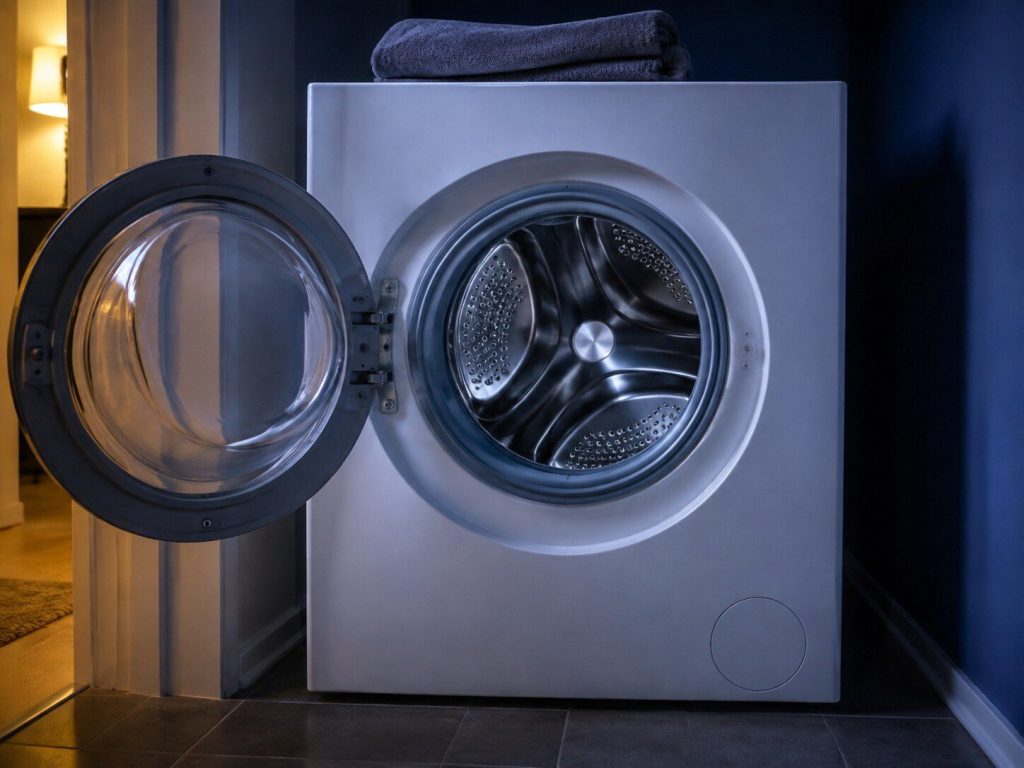
Front load · top load · FlexWash · all-in-one combo · AI Smart Dial · Bespoke Samsung washer
The biggest single source of demand on this badge — more people search for help with a Samsung washer than with any other appliance the make sells. Forty in the current catalog, from large-capacity top loaders to ventless all-in-one combos, and the error reporting is unusually generous: a full code table on the models with a display, a blinking-light language on those without, and an icon guide on top of that.
- A full published code table, plus blinking lights on models with no display
- Front load, top load, FlexWash and the all-in-one washer-dryer combo
- Drain, fill, door lock, suds and unbalanced loads are most of the work
-
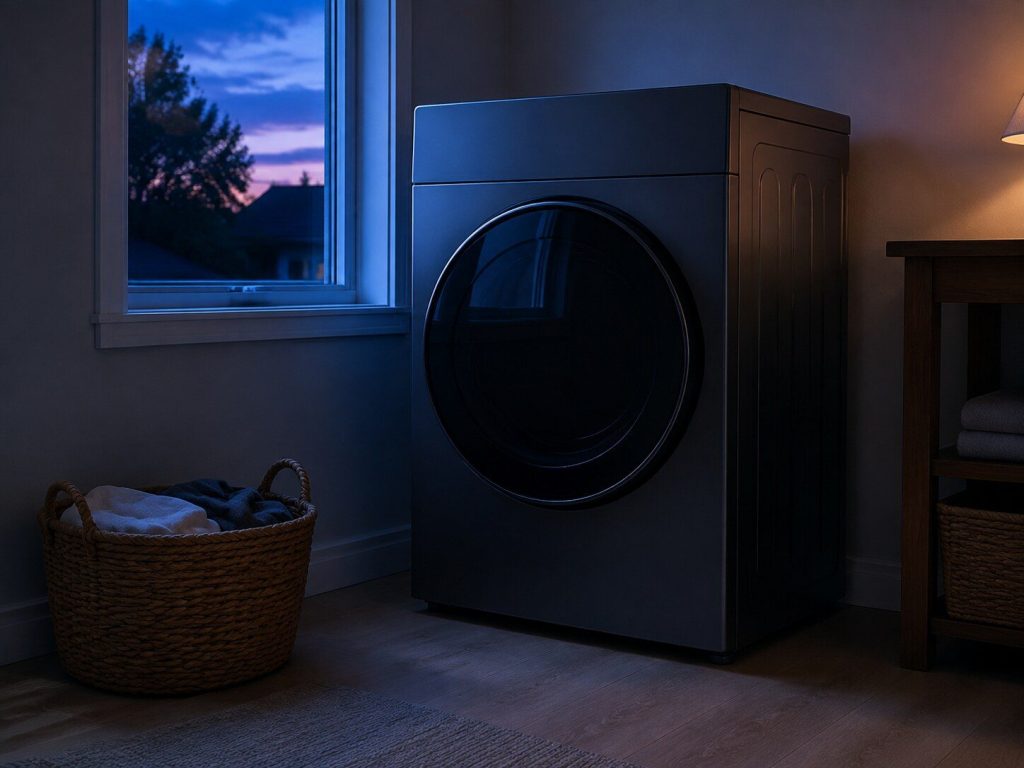
Electric · gas · ventless heat pump · Steam Sanitize · Pet Care · AI Smart Dial Samsung dryer
Forty-six in the current catalog and three genuinely different machines inside that number: conventional vented electric, vented gas, and the ventless heat-pump dryers that are becoming common in condos where a duct to the outside was never an option. They fail differently, they are priced differently, and only the first two are what most people picture.
- Vented electric, vented gas and ventless heat pump
- Its own code table, plus a blinking-light set for models with no display
- Heat, airflow, moisture sensing and the door circuit
-
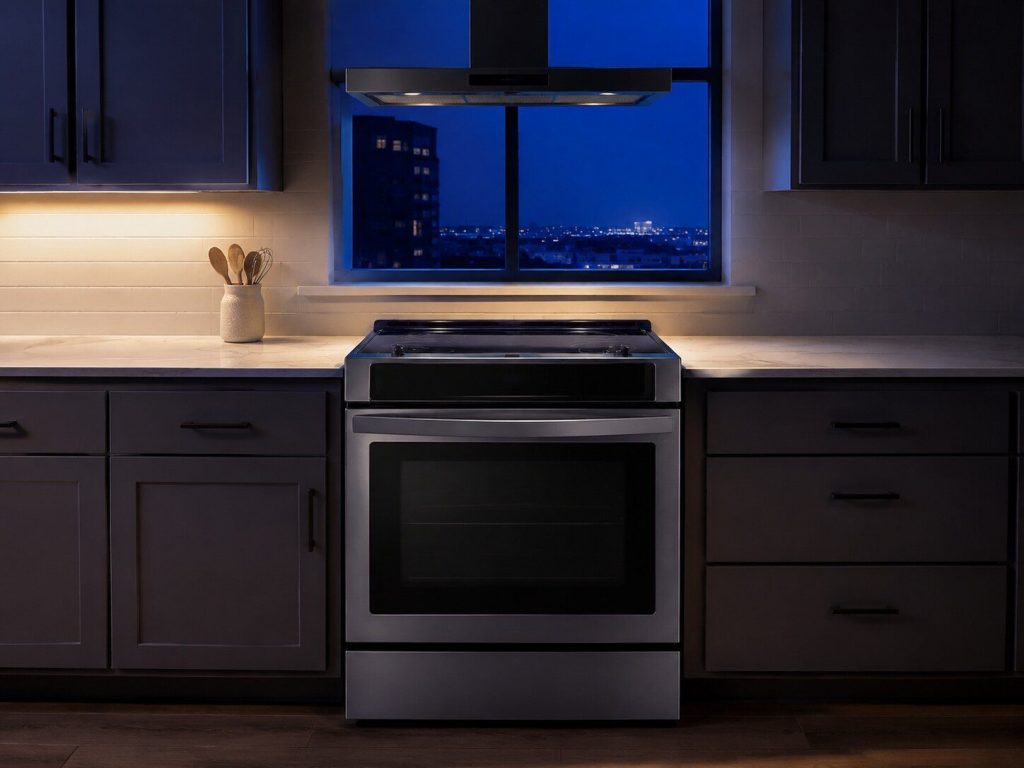
Slide-in and freestanding · gas, electric, dual fuel and induction · Flex Duo · Air Fry Samsung range
Fifty-nine in the catalog and forty-six of them Bespoke. Samsung's ranges are where the make's own ideas show most: an oven cavity that divides in two with a partition, air fry and air sous vide built in, no-preheat modes, induction tops with pan detection, and a SmartThings self-diagnosis that has a published habit of reporting a code when nothing is wrong.
- Gas, electric, dual fuel and induction, slide-in and freestanding
- Flex Duo partition, Air Fry, no-preheat and Steam Clean
- Nine published codes, and one of them usually means the test, not the oven
-
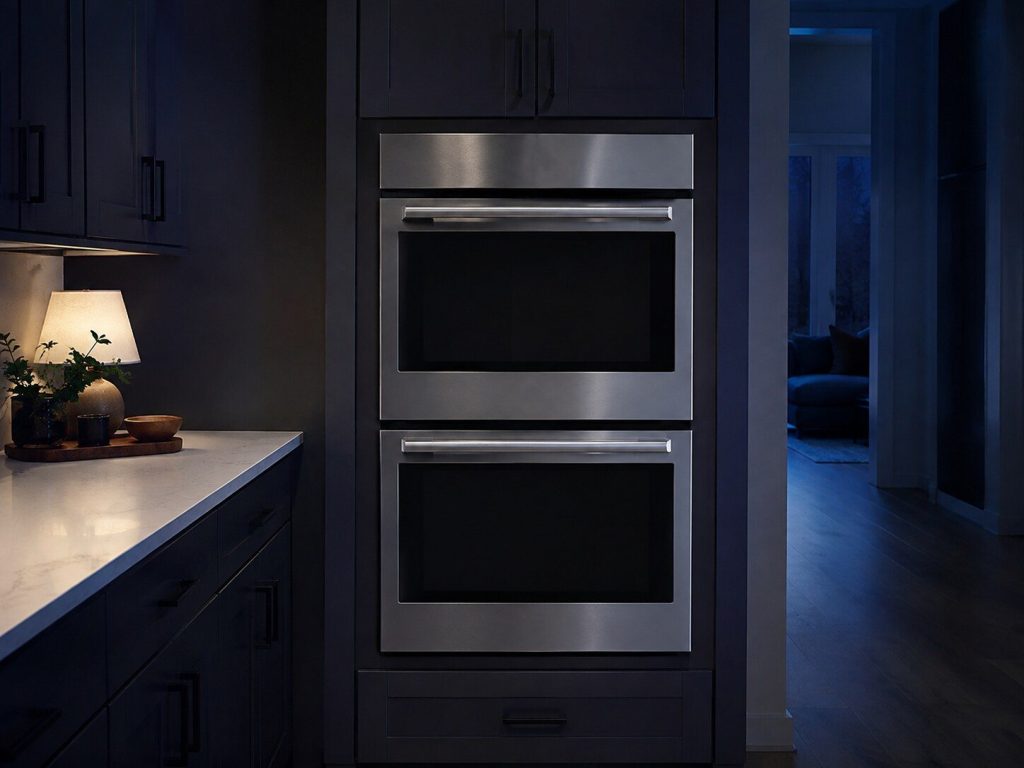
Single · double · microwave combination · Flex Duo · Steam Cook · AI camera Samsung oven
Twenty-one in the catalog, all of them 30-inch, and split between single, double and microwave-combination cabinets. A wall oven is a range's oven with the cooktop taken away and a cabinet built around it, which changes almost nothing about the electronics and almost everything about the access — and access is what a wall oven repair is priced on.
- Single, double and microwave-combination, all 30-inch
- Flex Duo partition, Steam Cook and the in-oven camera
- Shares the range's published code table
-
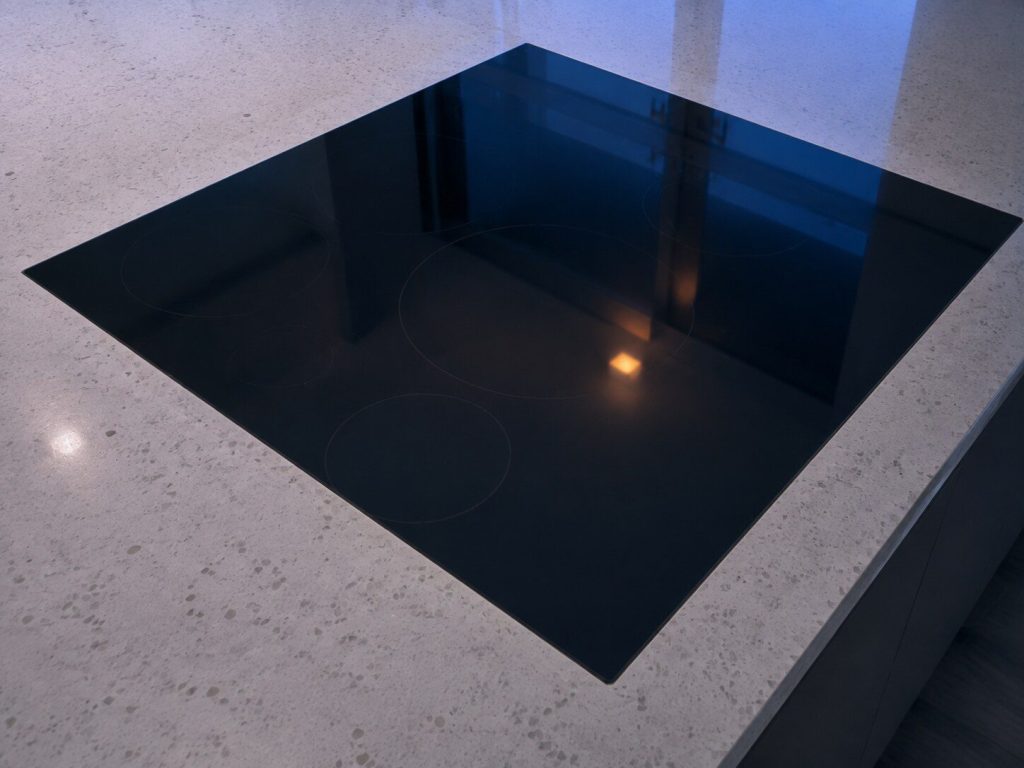
Induction · electric radiant · gas · 30 and 36 inch · sync burners · anti-scratch glass Samsung cooktop
Twenty in the catalog, split between induction, electric radiant and gas, in 30 and 36 inch widths. A cooktop is the one appliance on this badge with no code table of its own: the only code Samsung publishes for a cooking surface is the induction pan-detection symbol, and it lives on the range page because the range shares the panel.
- Induction, electric radiant and gas, 30 and 36 inch
- Sync burners, bridge zones and anti-scratch matte glass
- No code table of its own — the induction pan symbol is the exception
-
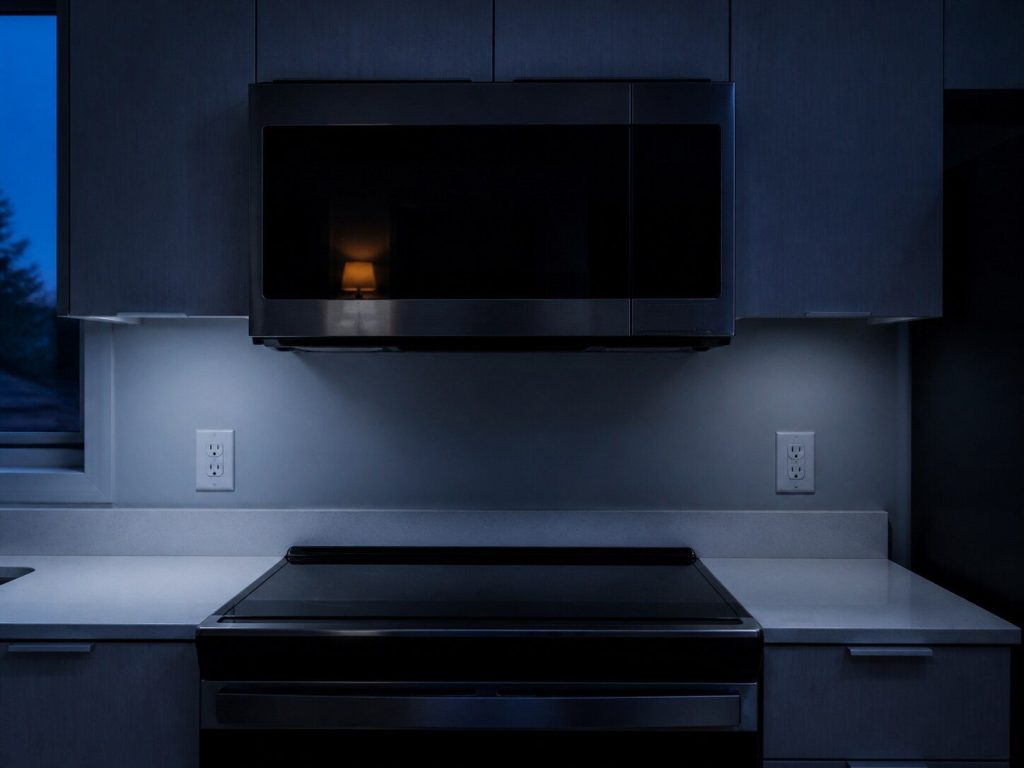
Over-the-range · countertop · microwave combination wall ovens · Bespoke fronts Samsung microwave
The appliance with the longest code table Samsung publishes — around fifty entries across the C- and E- families — and the one where the decision to repair or replace is the sharpest. An over-the-range unit doubles as the cooktop's ventilation and its own light, which is why a microwave that still heats perfectly well can still be a real problem in a kitchen.
- Over-the-range, countertop and the microwave half of combination ovens
- About fifty published codes, the longest table on this badge
- On over-the-range units the vent and the cooktop light are part of the job
-
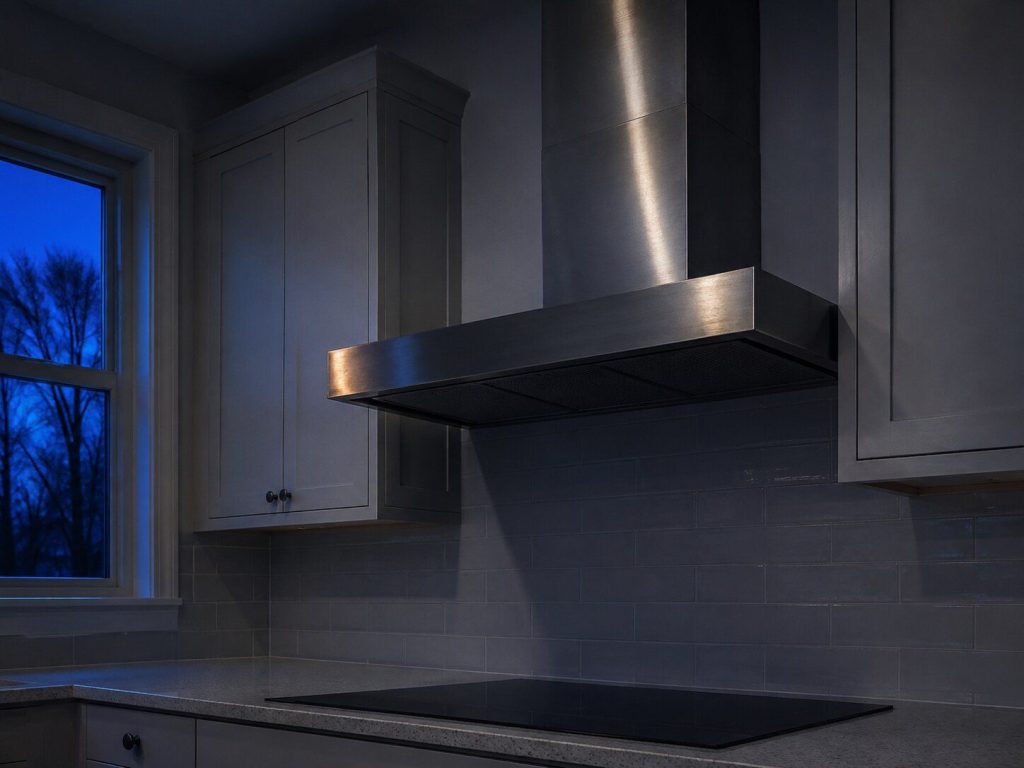
Wall mount · under cabinet · 30 and 36 inch · auto-connectivity with the cooktop · Bespoke Samsung range hood
Sixteen in the catalog, and the appliance about which Samsung publishes the least: no code table, no error list, nothing. What it does have is a feature that generates real calls — hoods that pair with a Samsung range or cooktop and turn themselves on — and a set of failures that are almost entirely mechanical and almost entirely fixable.
- Wall-mounted and under-cabinet, 30 and 36 inch
- Auto-connect pairing with a Samsung range or cooktop
- No codes are published for this appliance at all
What Bespoke changes, and what it does not
A panel is a panel, and the machine behind it is the same machine
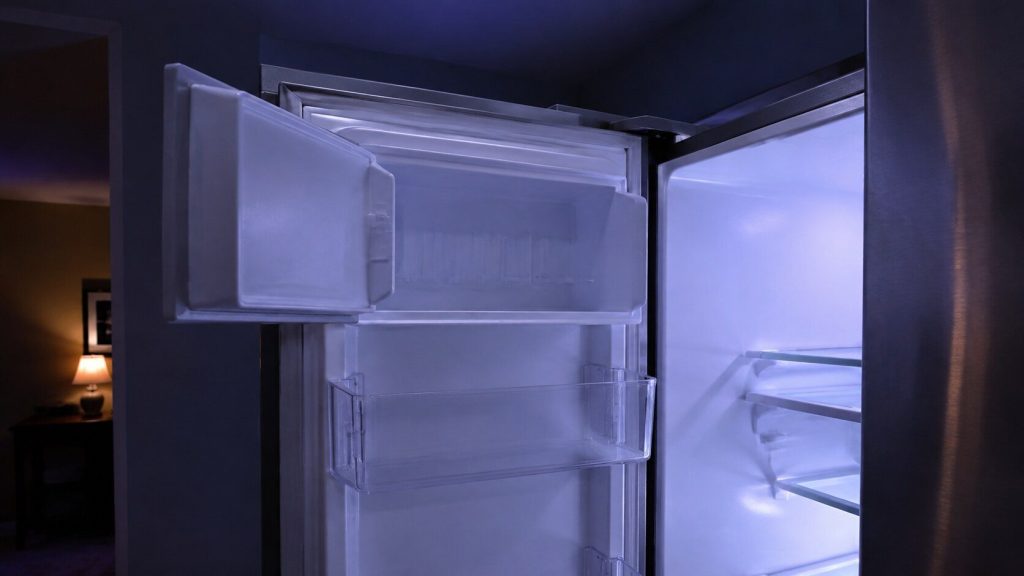
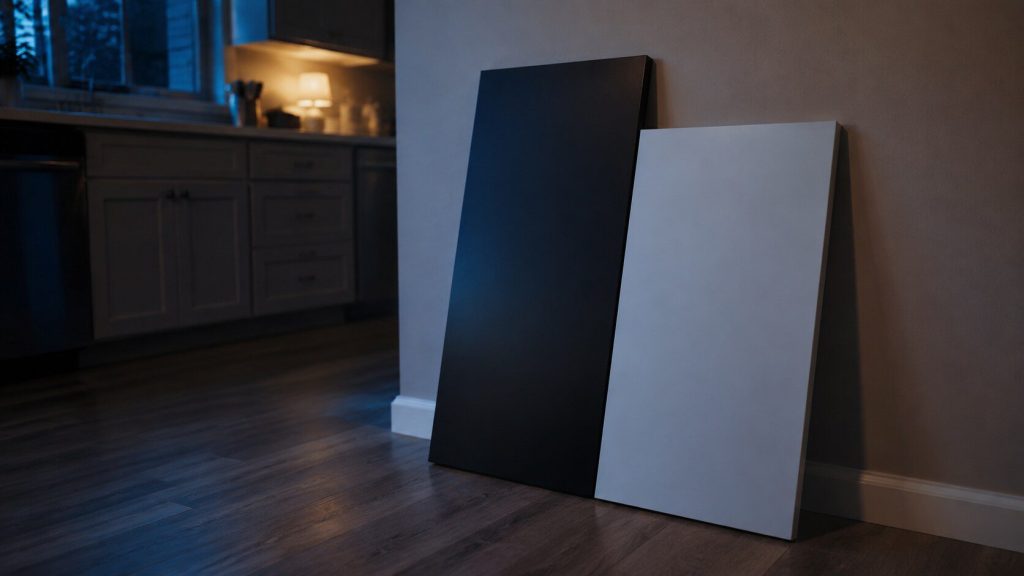
Fifty-one of the seventy-seven refrigerators in Samsung’s current US catalog are Bespoke, and so are forty-six of the fifty-nine ranges. The door panels come off and change color. For a repair that matters in exactly one way: a damaged or mismatched panel is not an appliance problem, and the mechanism behind it is identical to the version in plain stainless. It is worth knowing before anybody quotes you for a door.
Before you book
What tells us most, per appliance
Refrigeration and ice
- Which compartment is warm, measured with a thermometer rather than by hand.
- Whether the display shows OF OF or O FF — that is Cooling Off mode and it is free to clear.
- Where the ice maker physically sits in the cabinet.
- On a Family Hub, the list from Fridge Settings, Self Check.
Laundry
- Front load or top load, and whether it is a FlexWash or an all-in-one combo.
- On a dryer: vented electric, vented gas, or ventless heat pump. They are three different machines.
- Whether the pair is stacked, and whether a multi-control kit is fitted.
- The exact code, or exactly which lights are blinking.
Cooking
- Gas, electric, dual fuel or induction. The same complaint is a different repair on each.
- Whether the oven has a Flex Duo partition, and whether it is in.
- Whether the display reads tESt, which is demo mode and will not heat.
- For a microwave: countertop, over-the-range, or the microwave half of a combination wall oven.
By job
Or start from the work
Forty-three jobs with a published figure, and what moves each one.
-
from $95 Diagnostic visit
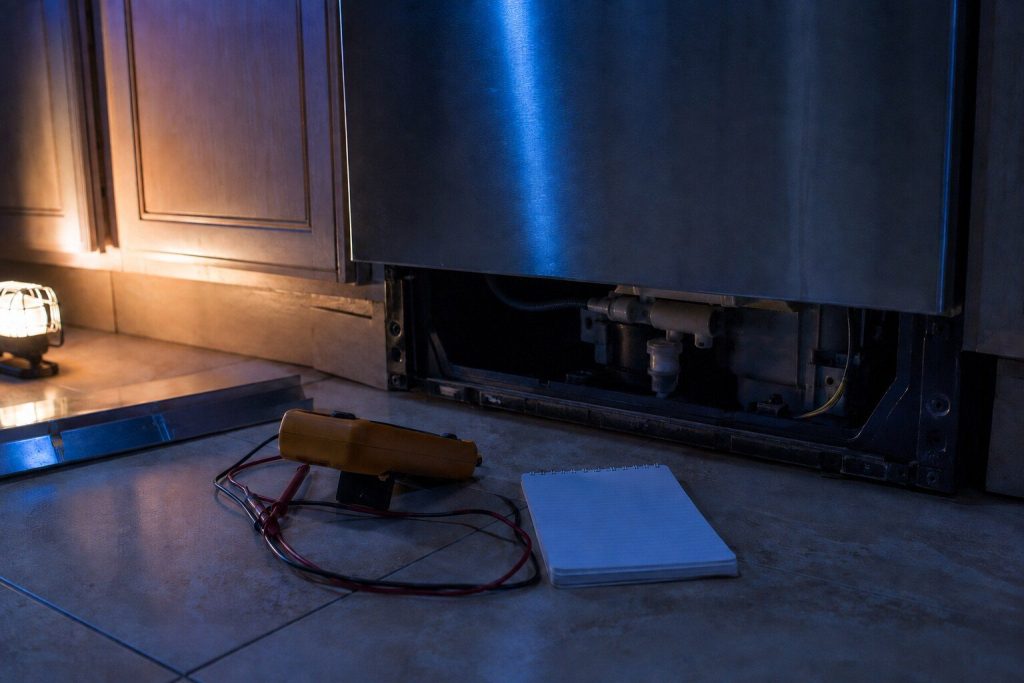
One visit, one technician, one answer in writing. On this make the diagnostic starts with something most makes cannot offer: the appliance usually has something to say. A code, a combination of blinking lights, or on a Family Hub refrigerator a stored list of everything it has recorded. Reading that properly is half the job, and it is free to do.
- The model number and what the appliance is reporting, read before anything is opened
- Blinking lights and Family Hub self-check included, because they are codes on this make
- Written findings and a from-price before any part is ordered
-
from $125 Appliance maintenance
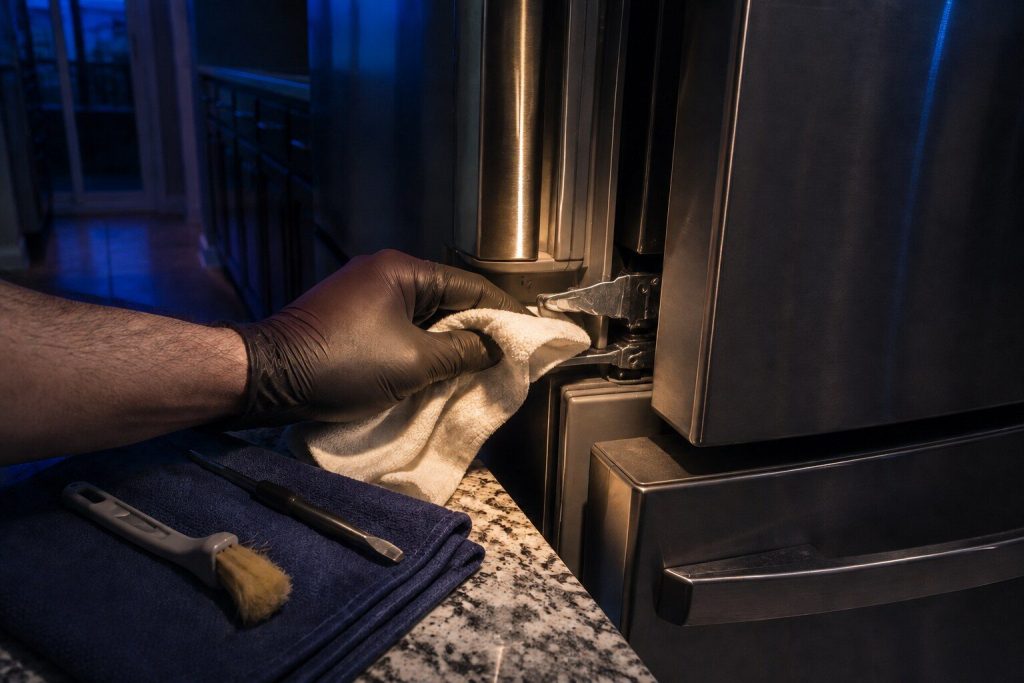
An annual visit for the things that fail slowly enough that nobody notices until they stop. In this climate that list is longer than it would be anywhere dry: condenser coils, door gaskets, dryer ducts, dishwasher filters and the drum of a front-load washer all degrade quietly, and every one of them is cheaper to maintain than to repair.
- Condenser coils, gaskets and door seals checked and cleaned
- Dryer duct and lint path, which is the one that matters most
- Filters, drains and water lines on everything that uses water
-
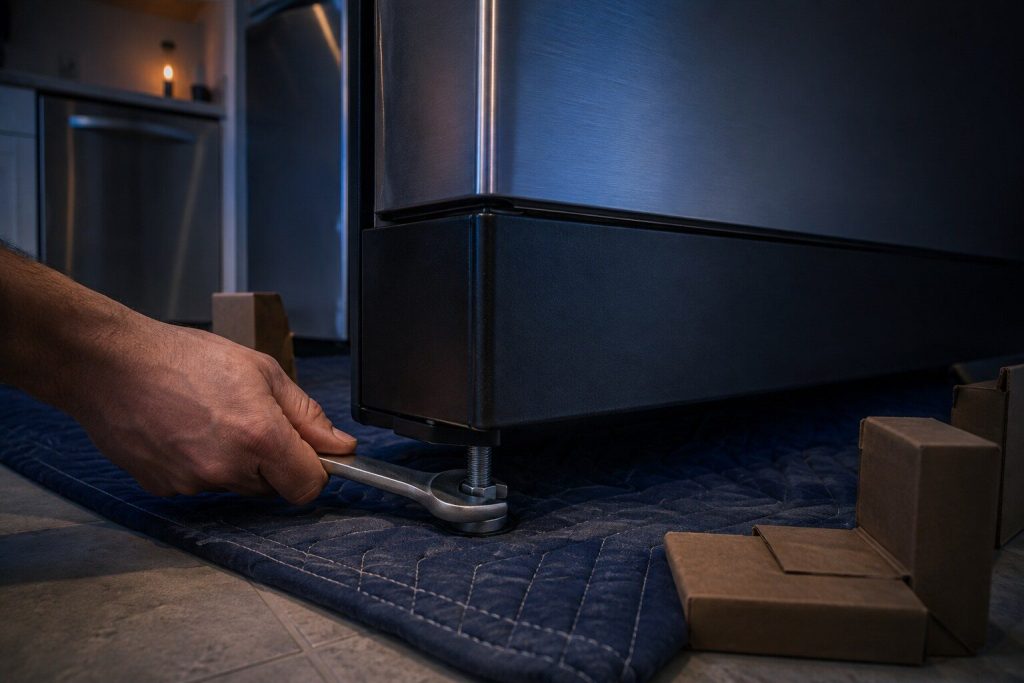
from $145 Appliance installation
Fitting an appliance so that it works the way it was designed to, and so that the next person who has to service it can reach it. A surprising share of the calls on this site are installation errors surfacing months later — hoses crossed, a dishwasher drain plug never removed, a dryer vent crushed behind the machine.
- Levelled, connected, tested and left working
- Water, drain and vent connections done properly rather than quickly
- Old appliance disconnected and moved out
-
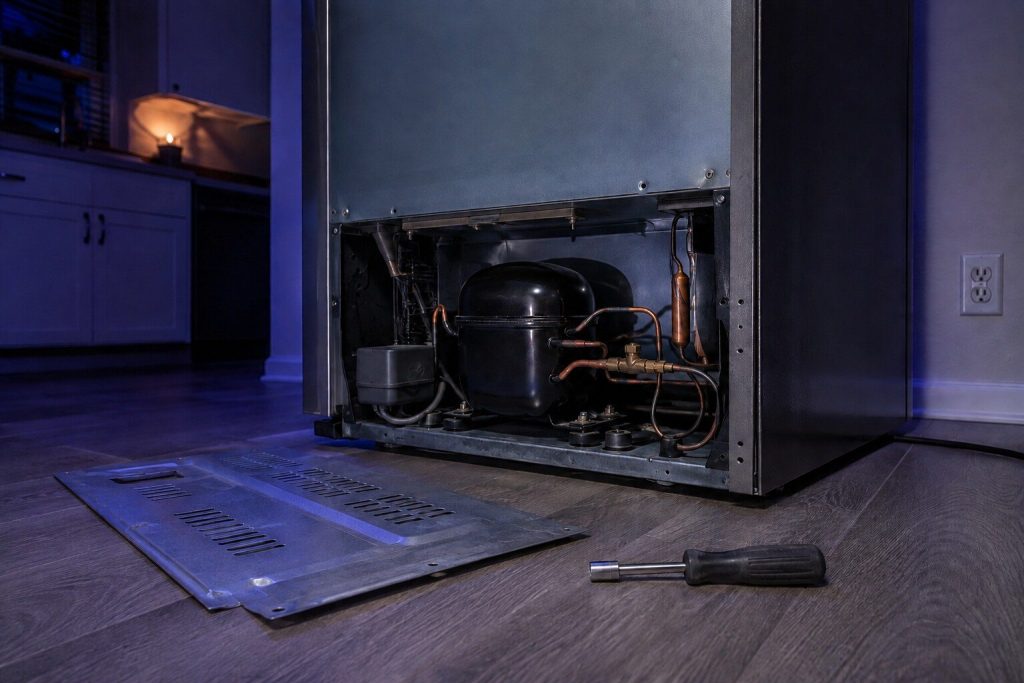
from $155 Refrigerator not cooling repair
The call we take most often on this badge, and the one with the widest range of answers behind it — from a mode that got switched on by accident and costs nothing, to a sealed system. The order we work in is the order that saves you money, and the first thing we eliminate is free.
- Cooling Off mode eliminated first — it costs nothing and it is common
- Airflow, fans and defrost before anything sealed
- Temperatures measured in both compartments, not read off the panel
-
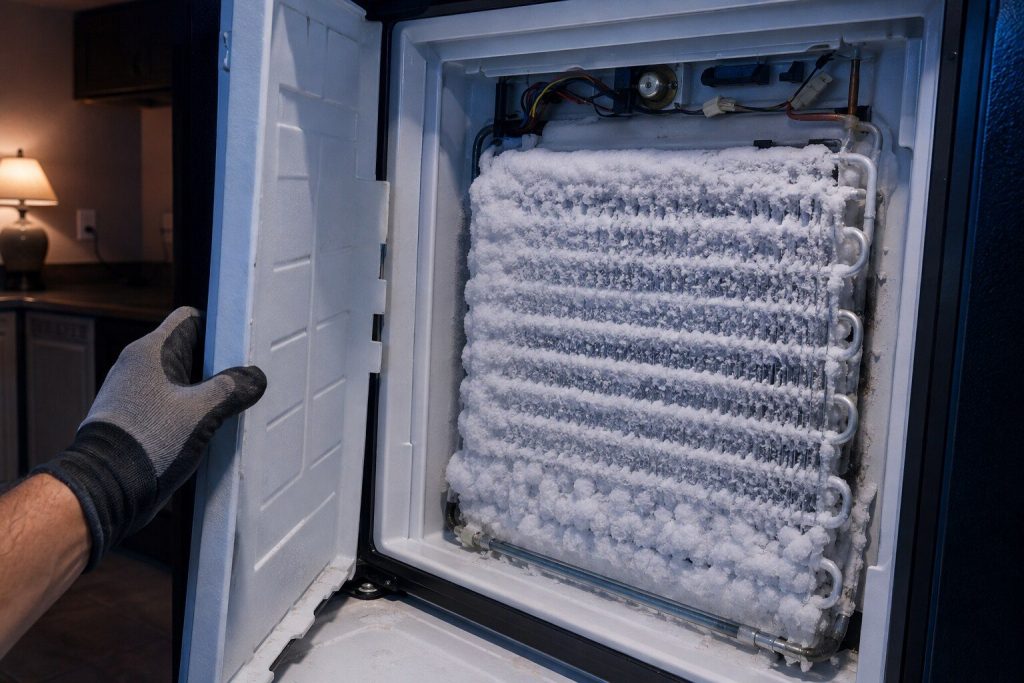
from $175 Defrost system repair
The failure that presents as a refrigerator getting slowly warmer over several days while the freezer seems fine. Frost builds on the evaporator until air can no longer pass through it, and by the time anyone notices the temperature, the ice has been building for weeks.
- Heater, thermostat and sensor tested rather than replaced together
- The evaporator inspected once it is clear, not guessed at
- The cause of the frost addressed, not just the frost
-
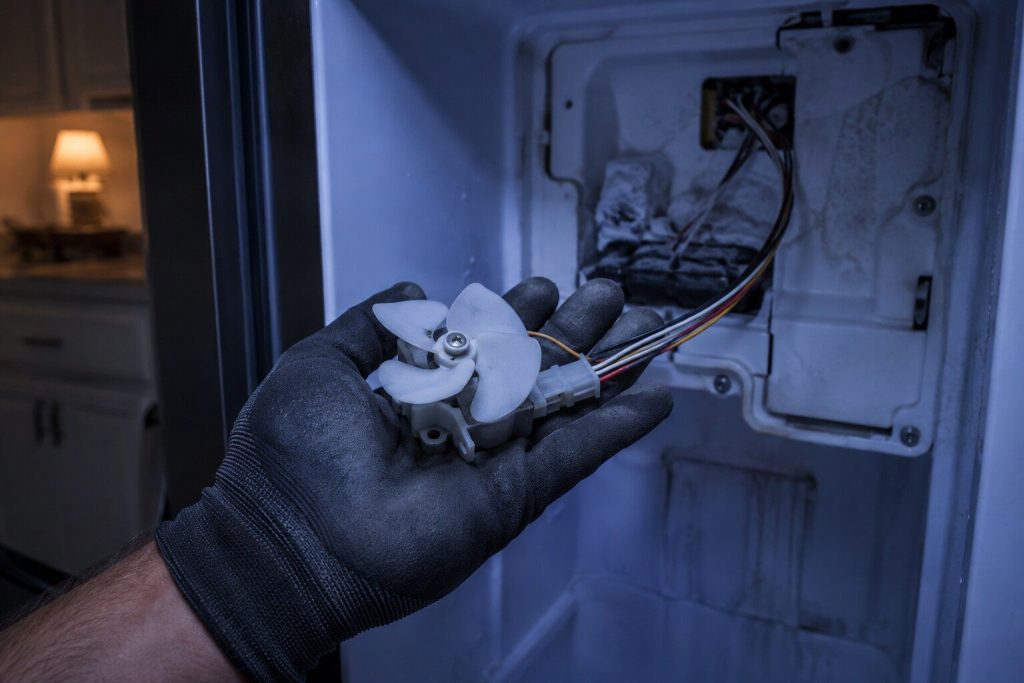
from $165 Evaporator fan repair
Samsung publishes two codes for this — 21E for the freezer fan and 22E or 22C for the fridge fan — and in their own explanation the usual cause is a fan that has frozen up rather than a motor that has died. That distinction is worth money: one is a defrost and a gasket, the other is a part.
- 21E and 22E diagnosed properly rather than answered with a motor
- The reason the ice got there is part of the job
- Gaskets and door closure checked at the same visit
-
from $155 Ice maker repair
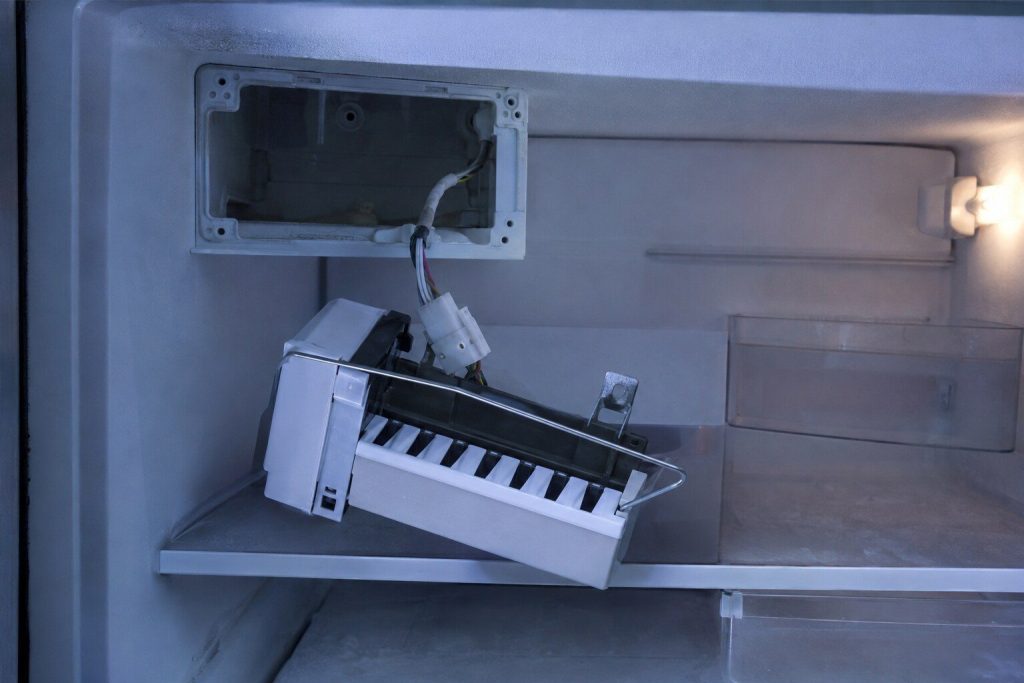
The single most common repair on Samsung refrigeration, and the one where the diagnosis matters most, because five different mechanisms live under one complaint. Samsung publishes five separate reset procedures — one per cabinet layout — and no error codes at all, so what the machine is doing is the entire evidence.
- Five cabinet layouts, and the right procedure for the one you have
- Frozen solid, not filling, not releasing, over-producing, leaking
- Fill tube, heater, sensor and module told apart before anything is ordered
Not on this list
No wine coolers and no commercial equipment
Samsung does not sell a wine cooler in the United States, and its commercial laundry is a separate line that we do not currently cover. Neither appears on this site. If a repair company offers you Samsung wine cooler service, ask them which model — the answer is worth hearing.
Before you call
Questions about the equipment
Which appliance should I look at if I do not know what is wrong?
Start from what the appliance is doing rather than from the appliance. The symptom pages are written that way — not cooling, not draining, not heating, blinking lights — and each one leads to the jobs and codes behind it.
Do you work on Samsung equipment that is more than ten years old?
Yes, and on this make it is usually still worth it. High-volume parts stay available for a long time, and a great deal of Samsung equipment from the 2010s is still perfectly serviceable. The exception is anything where a discontinued electronic board is the answer, and we will tell you when that is where it is heading.
My appliance is Samsung but it was sold under another name.
That happens with some built-in and packaged equipment. Give us the model number off the plate rather than the badge on the front — the model number is what tells us what it actually is.
In more detail
Eleven appliances, and why the list stops there
What is on the list
Refrigerators, freezers, ice makers, dishwashers, washers, dryers, ranges, wall ovens, cooktops, microwaves and range hoods. That is what Samsung sells into American kitchens and laundry rooms, and it is what this company works on.
Why three of them have no code pages
Samsung publishes error codes for eight of the eleven. For freezers, ice makers and range hoods it publishes nothing — no table, no list, no reference. Those three therefore have symptom pages and no code pages, and each says so on the page. It would be easy to fill the space with codes borrowed from a refrigerator, and it would be wrong.
What a Samsung kitchen usually looks like here
A French door refrigerator, a range in gas or electric, a quiet dishwasher, an over-the-range microwave doing double duty as the hood, and a front-load laundry pair. That combination is common enough in South Florida that a single maintenance visit covering all five is the most economical thing most households on this make can do — and it is why most appliance repair Miami households actually need on this badge is one visit rather than five.
Tell us the appliance and the model number.
If more than one thing needs attention, say so — several appliances in one visit costs considerably less than several visits.
This article is based on:
- Official manufacturer documentation
- Internal repair procedures
- Technician repair history
- Company quality standards