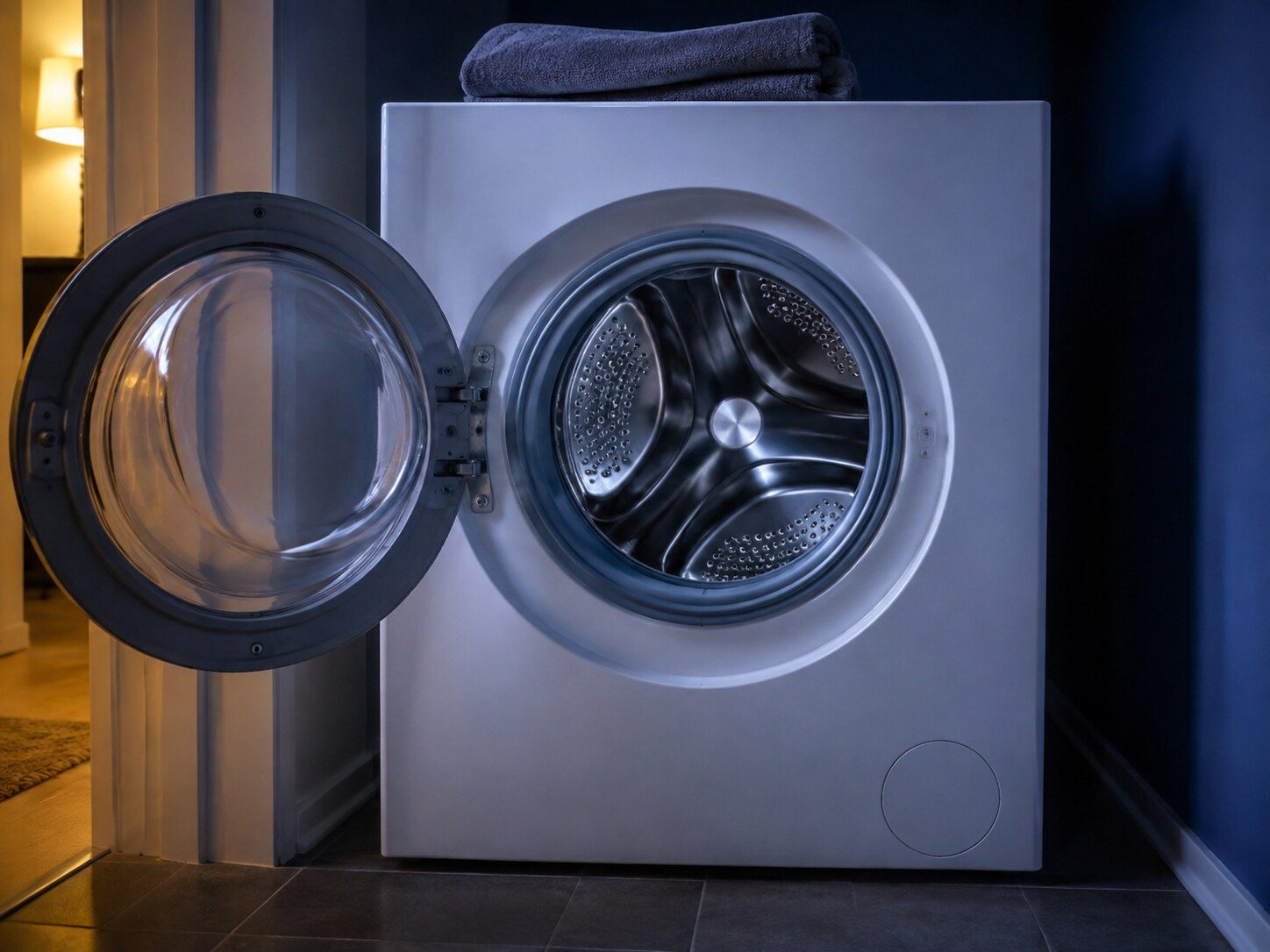
Appliance
Samsung washers
The biggest single source of demand on this badge — more people search for help with a Samsung washer than with any other appliance the make sells. Forty in the current catalog, from large-capacity top loaders to ventless all-in-one combos, and the error reporting is unusually generous: a full code table on the models with a display, a blinking-light language on those without, and an icon guide on top of that.
- 4 symptoms we are called out to
- From $95 diagnostic, credited to the repair
- 59 cities and neighborhoods covered
- OEM parts available on order
The short version
What this equipment is, for a repair
Configurations
Front load · top load · FlexWash · all-in-one combo · AI Smart Dial · Bespoke
Access
Planned before the visit, not discovered on arrival
Parts
OEM, available on order
Diagnostic
From $95, credited to the repair
What goes wrong with it
Symptoms we are called out to on Samsung washers
Each one covers the likely causes in the order they are worth checking, and what to do in five minutes before booking anything.
-
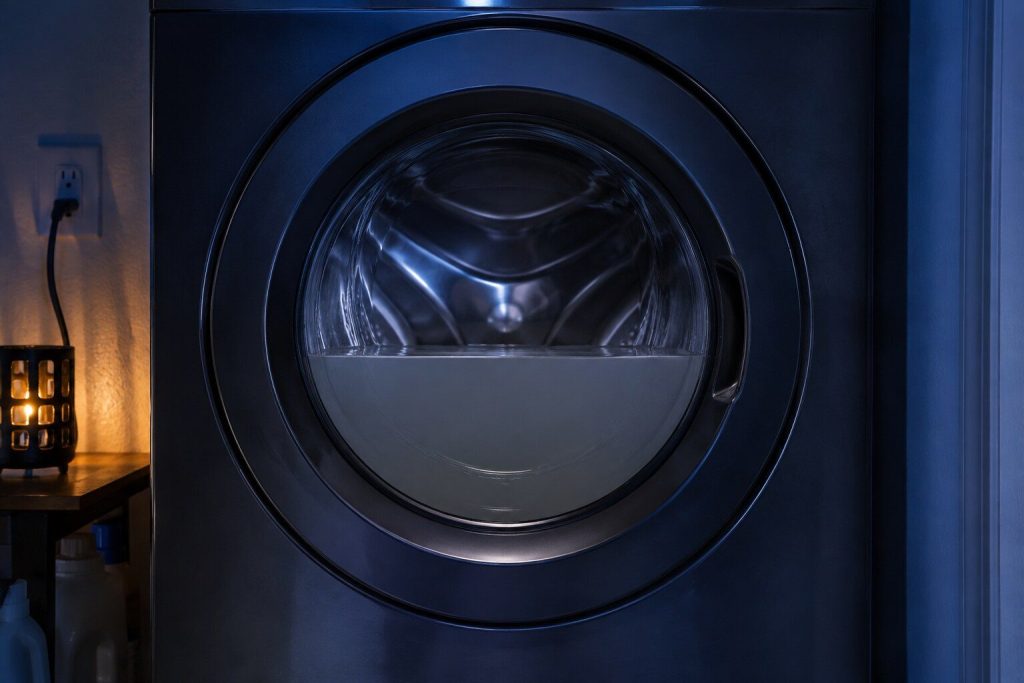
A drum full of water and a cycle that has stopped Washer will not drain
Samsung reports it as 5C or nd, or as a single blinking cycle light. Behind it there is a filter most owners have never opened, a hose that is wrong more often than it is right, and only then a pump.
- The debris filter holds more water than anyone expects — bring a tray
- How far the hose goes into the standpipe matters, in both directions
- 5C and the blinking Small or Low light are the same condition
-
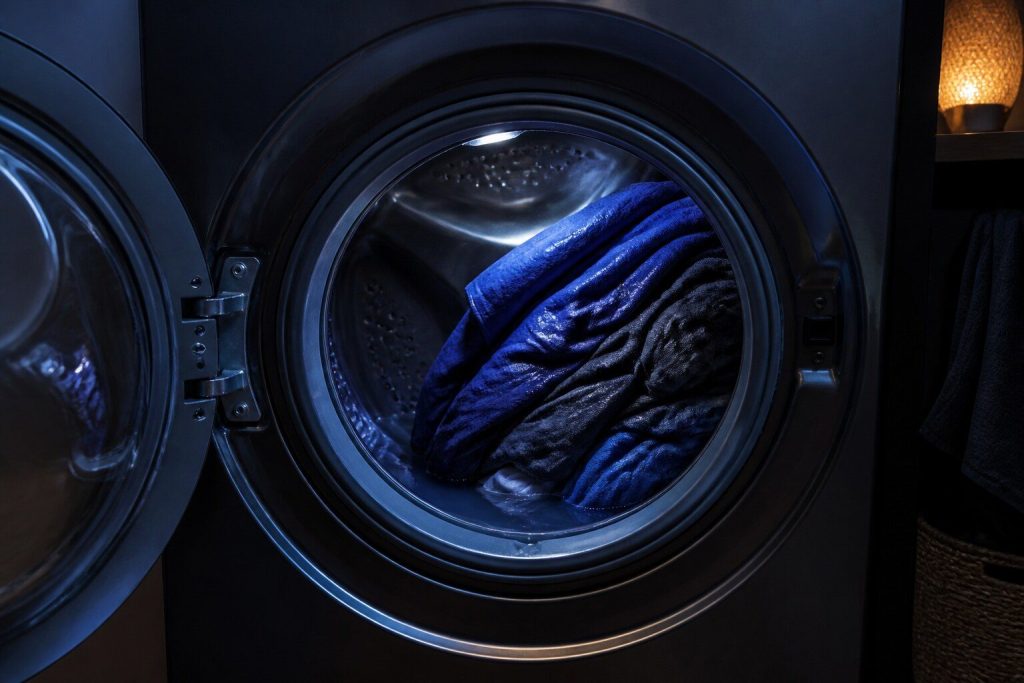
Soaking clothes at the end of the cycle Washer will not spin
Samsung's Ub and Ur codes mean the machine has decided the load cannot be spun safely, and most of the time it is right about the laundry. What turns it into a repair is when it happens with ordinary, well-distributed loads.
- Ur means the machine is retrying, not complaining
- One heavy item is the most common single cause
- A machine that rocks on the floor will never spin cleanly
-
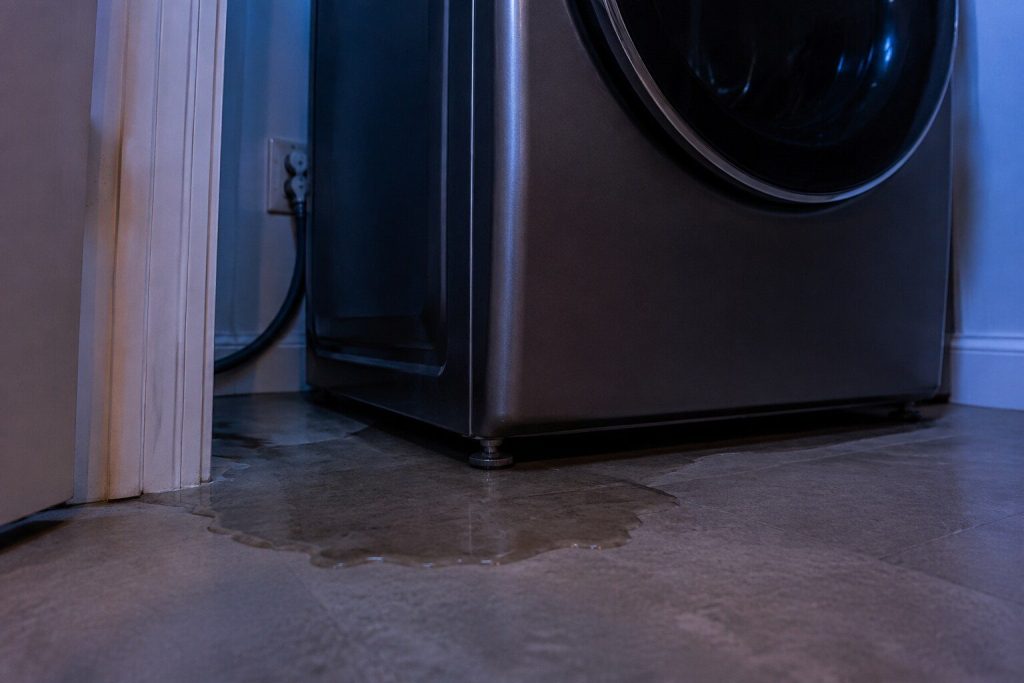
Water on the floor, or a leak code with nothing visible Washer leaking
Samsung's 1E and LC family is the leak and level sensing, and it sits low in the cabinet — so it finds moisture well before your floor does. A leak code with a dry floor is not a false alarm, it is an early one, and that is the cheap end of this repair.
- A leak code with nothing on the floor is early warning, not a mistake
- When the water appears in the cycle tells you where it comes from
- Detergent foam produces this on a machine that is not leaking at all
-
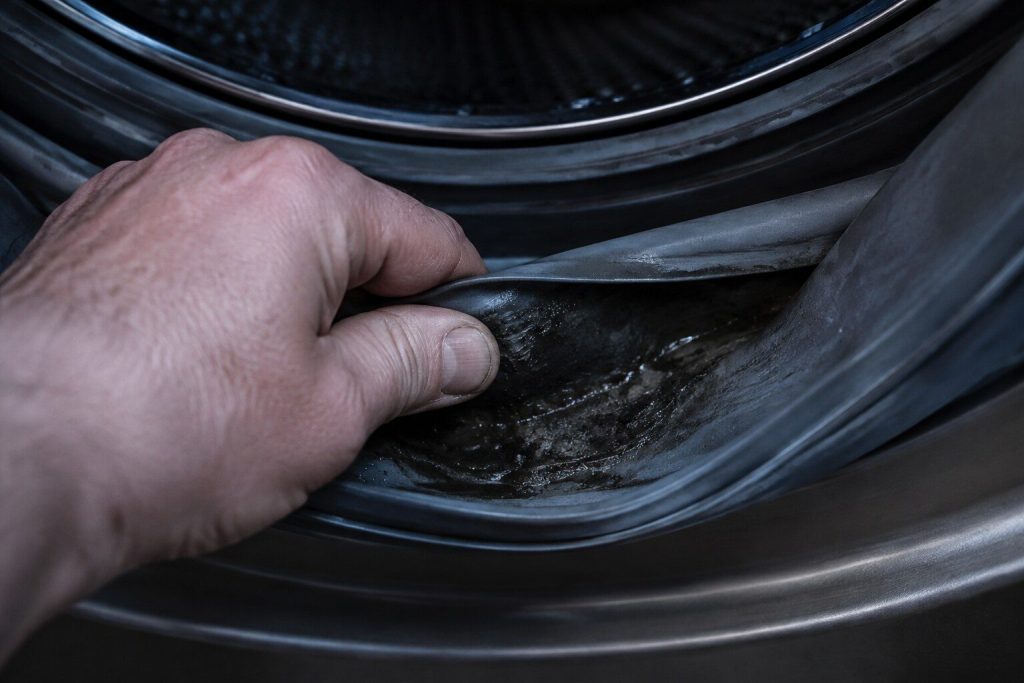
A smell that comes back however much you clean Washer smells musty
The most common non-mechanical complaint on a front-load washer, and in this climate it is close to universal. It is not really the machine: it is biology, living in the places a front loader keeps damp, and it responds to habit far more than to parts.
- Front loaders in Florida are the hardest case for this in the country
- The debris filter and the door boot are where it actually lives
- Samsung's Self Clean reminder exists for exactly this
What we do on it
Repairs we carry out on Samsung washers
Starting figures for this equipment in South Florida. The exact cost is confirmed after an on-site diagnostic — and this is not the whole list of what can go wrong, so call if your problem is not here.
-
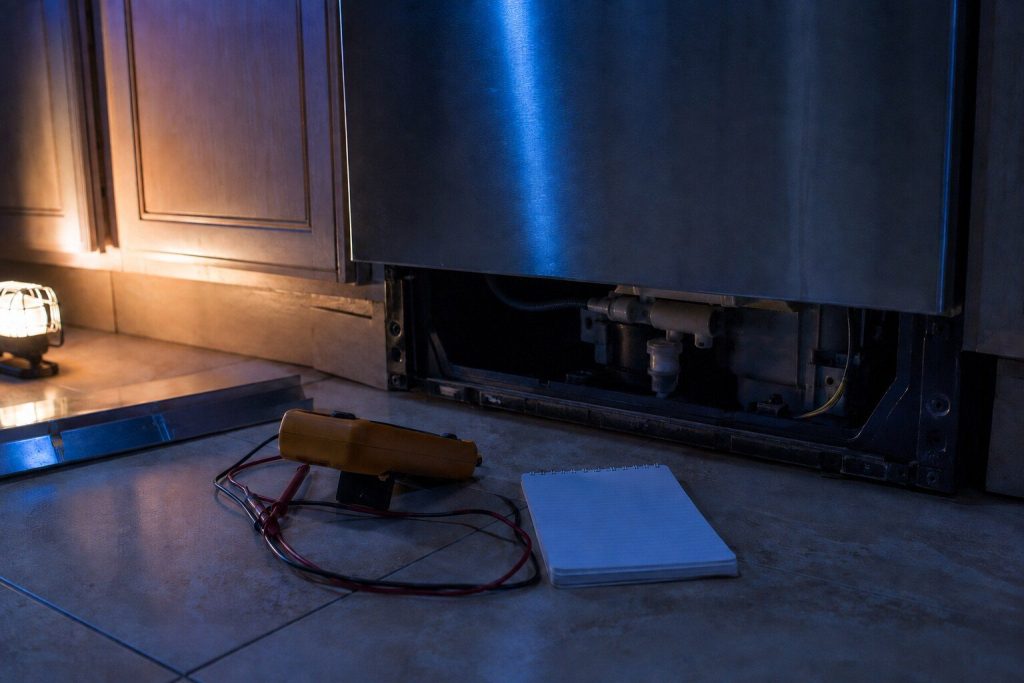
from $95 Diagnostic visit
One visit, one technician, one answer in writing. On this make the diagnostic starts with something most makes cannot offer: the appliance usually has something to say. A code, a combination of blinking lights, or on a Family Hub refrigerator a stored list of everything it has recorded. Reading that properly is half the job, and it is free to do.
- The model number and what the appliance is reporting, read before anything is opened
- Blinking lights and Family Hub self-check included, because they are codes on this make
- Written findings and a from-price before any part is ordered
-
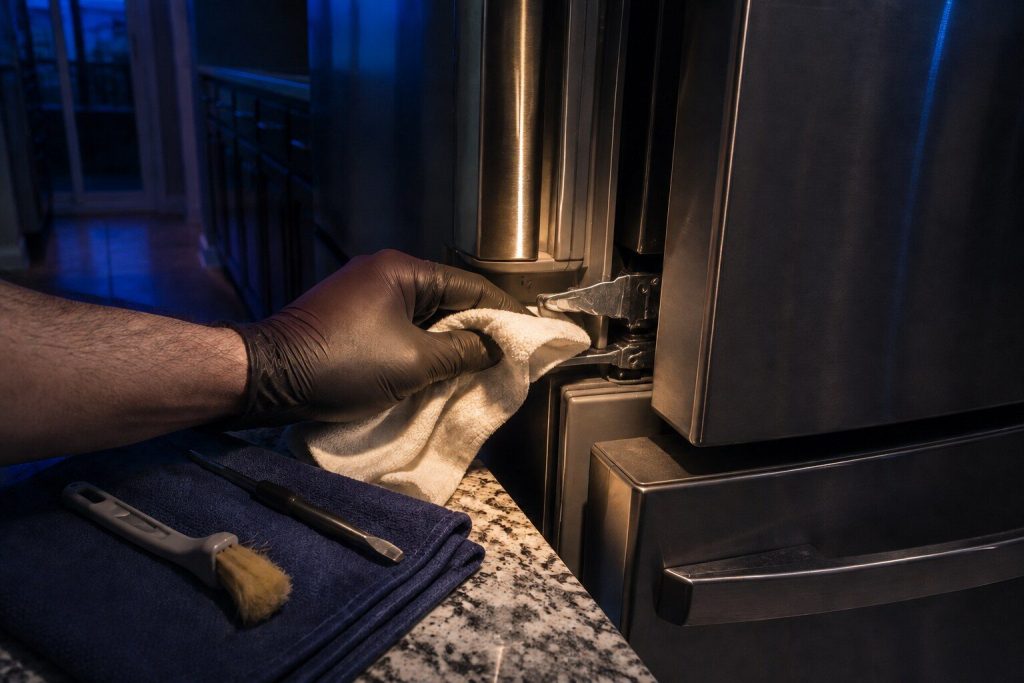
from $125 Appliance maintenance
An annual visit for the things that fail slowly enough that nobody notices until they stop. In this climate that list is longer than it would be anywhere dry: condenser coils, door gaskets, dryer ducts, dishwasher filters and the drum of a front-load washer all degrade quietly, and every one of them is cheaper to maintain than to repair.
- Condenser coils, gaskets and door seals checked and cleaned
- Dryer duct and lint path, which is the one that matters most
- Filters, drains and water lines on everything that uses water
-
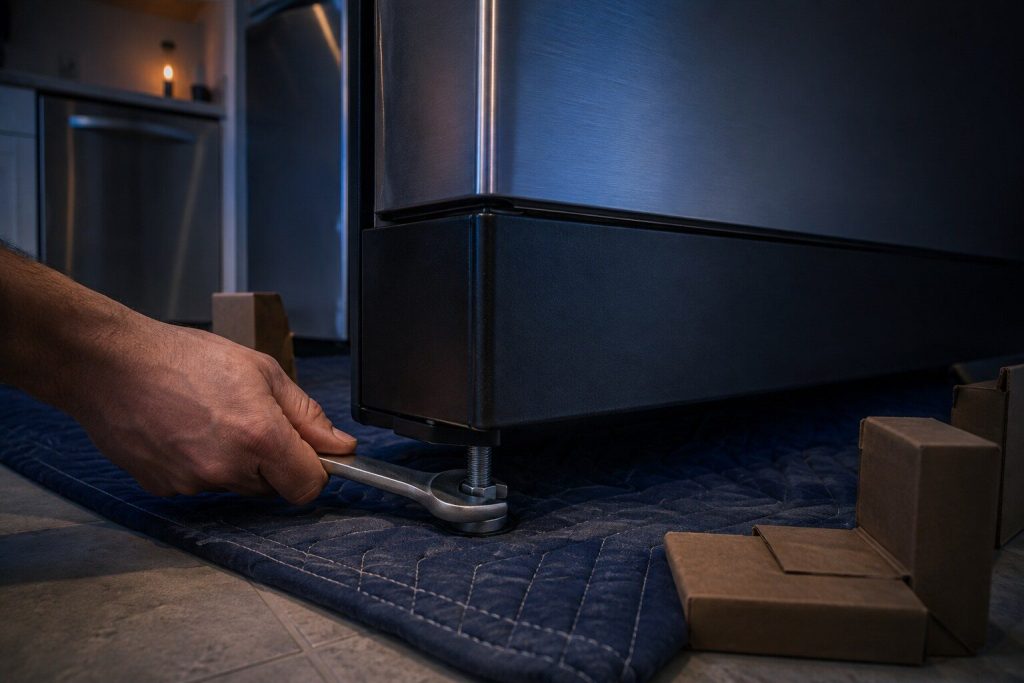
from $145 Appliance installation
Fitting an appliance so that it works the way it was designed to, and so that the next person who has to service it can reach it. A surprising share of the calls on this site are installation errors surfacing months later — hoses crossed, a dishwasher drain plug never removed, a dryer vent crushed behind the machine.
- Levelled, connected, tested and left working
- Water, drain and vent connections done properly rather than quickly
- Old appliance disconnected and moved out
-
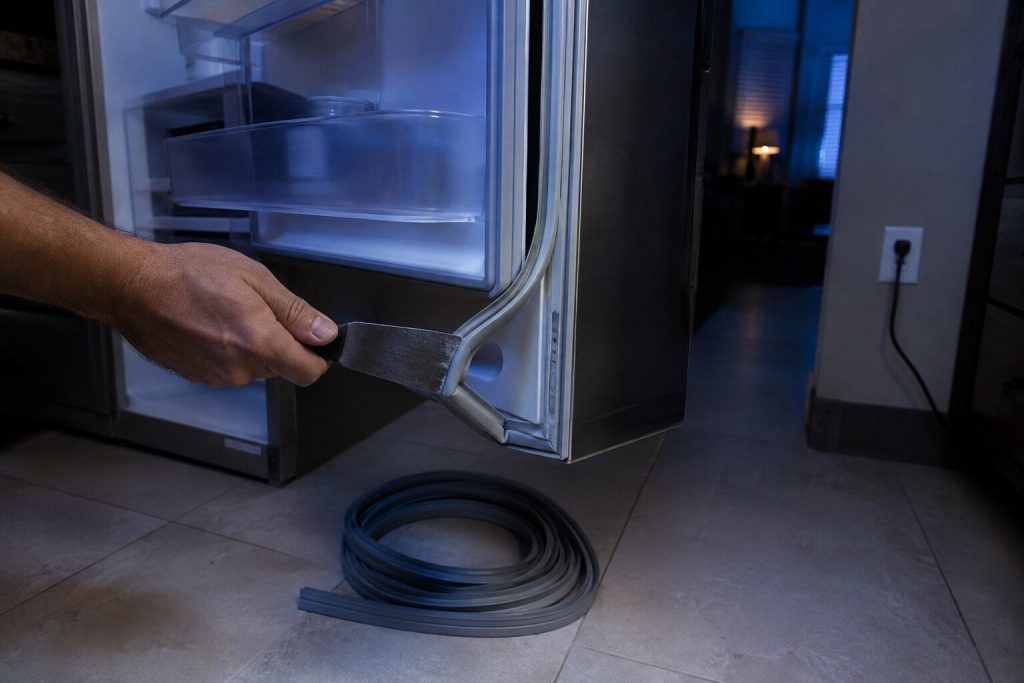
from $145 Door seal replacement
A gasket is the cheapest part in the appliance and the one whose failure costs the most, because it does not break, it degrades. Warm wet air walks in past a seal that has lost its grip, and the result presents as a cooling problem, an icing problem or a running-constantly problem long before anybody looks at the rubber.
- Tested with a note and a light rather than by eye
- Door alignment and hinge sag checked at the same time
- The same job on refrigerators, dishwashers, washers and ovens
-
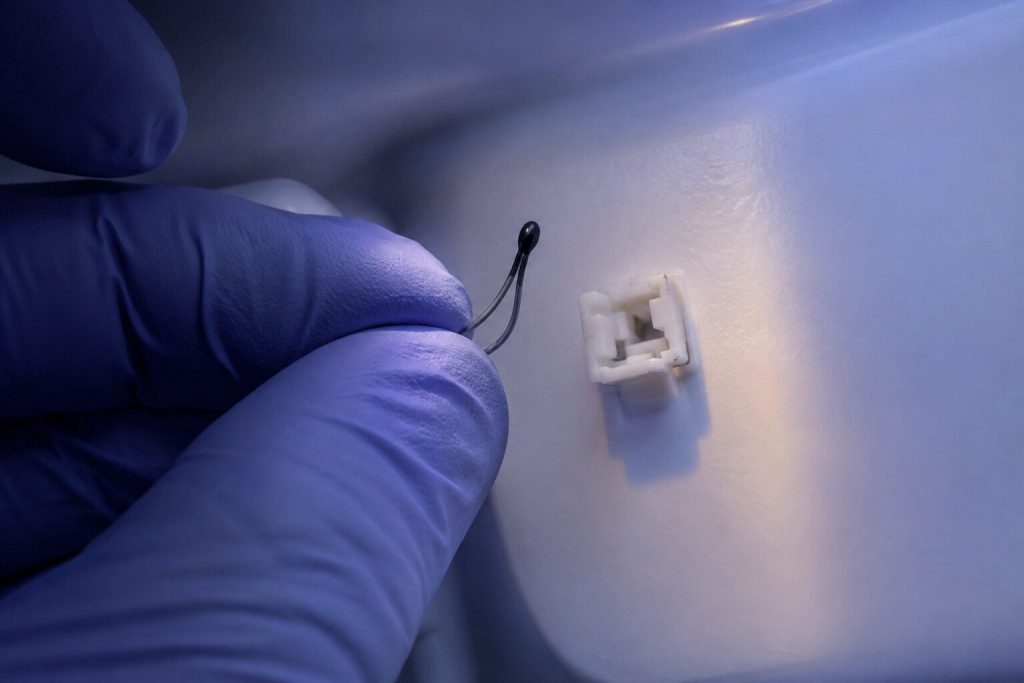
from $155 Temperature sensor replacement
A thermistor is a small, cheap part that decides large, expensive behavior. Samsung publishes sensor codes on almost every appliance it makes — tE on the washer and the dishwasher, the C-20 family on microwaves, 5E on the refrigerator — and the symptom is nearly always the same shape: something that heats or cools when it should not, or will not when it should.
- Measured against its own resistance curve, not swapped on suspicion
- The circuit around it checked before the part is blamed
- The same job across refrigeration, laundry and cooking
-
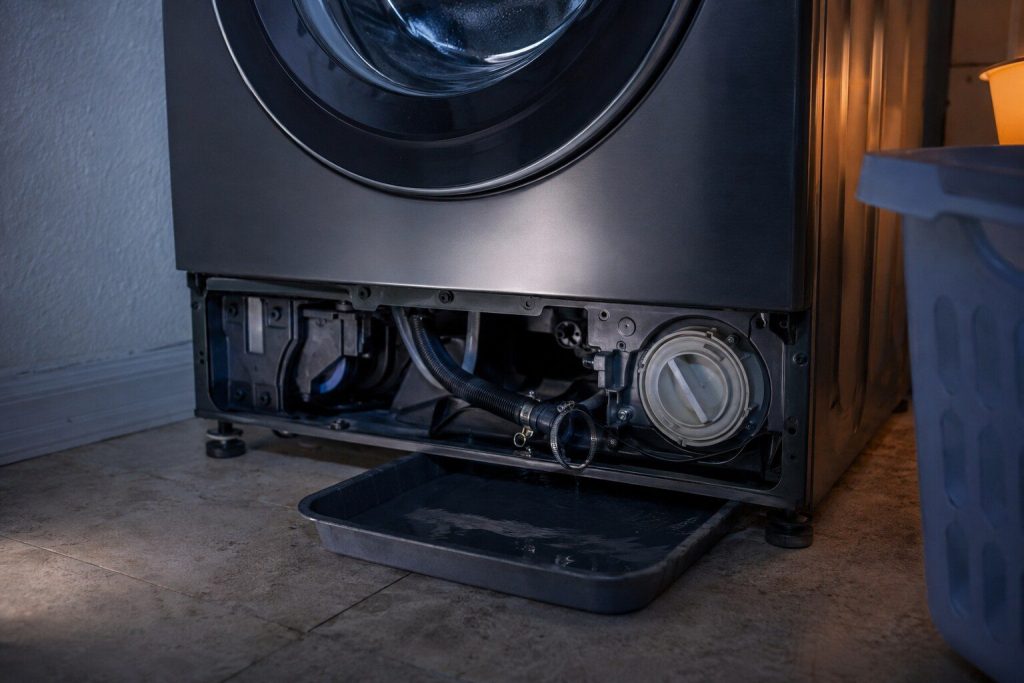
from $175 Washer drain pump replacement
A drum full of water and a cycle that has stopped. Samsung reports it as 5C or nd, or as a single blinking cycle light. Before the pump there is a filter most owners have never opened and a hose that is wrong more often than it is right, and both are checked first.
- Debris filter and drain hose checked before the pump is quoted
- The filter cleaned properly, which is a job with a towel and a tray
- Impeller inspected as well as the motor
-
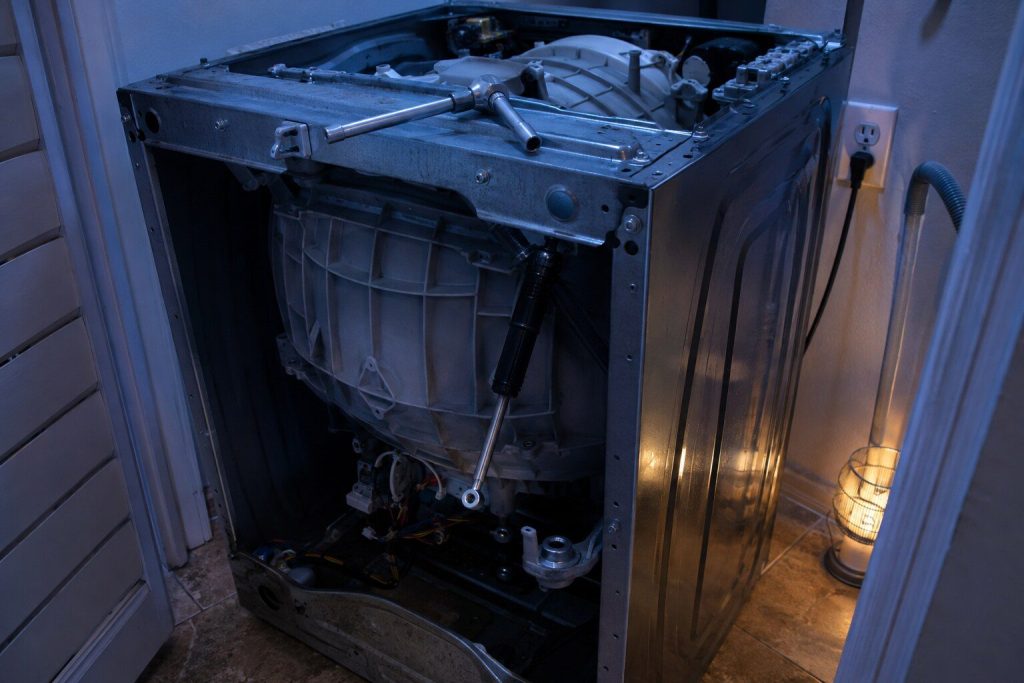
from $185 Washer spin and balance repair
A washer that will not spin, or that tries and gives up. Samsung's Ub and Ur codes mean the machine has decided the load cannot be spun safely, and most of the time it is right about the laundry. What makes it a repair is when it happens with ordinary, well-distributed loads: then it is the suspension, the shock absorbers, or a machine that is not standing level.
- Level, suspension, shocks and the Mems sensor checked in turn
- Ub, Ur and dc read correctly — dc means two things on this make
- The drum bearing assessed honestly, including when it is not worth it
-
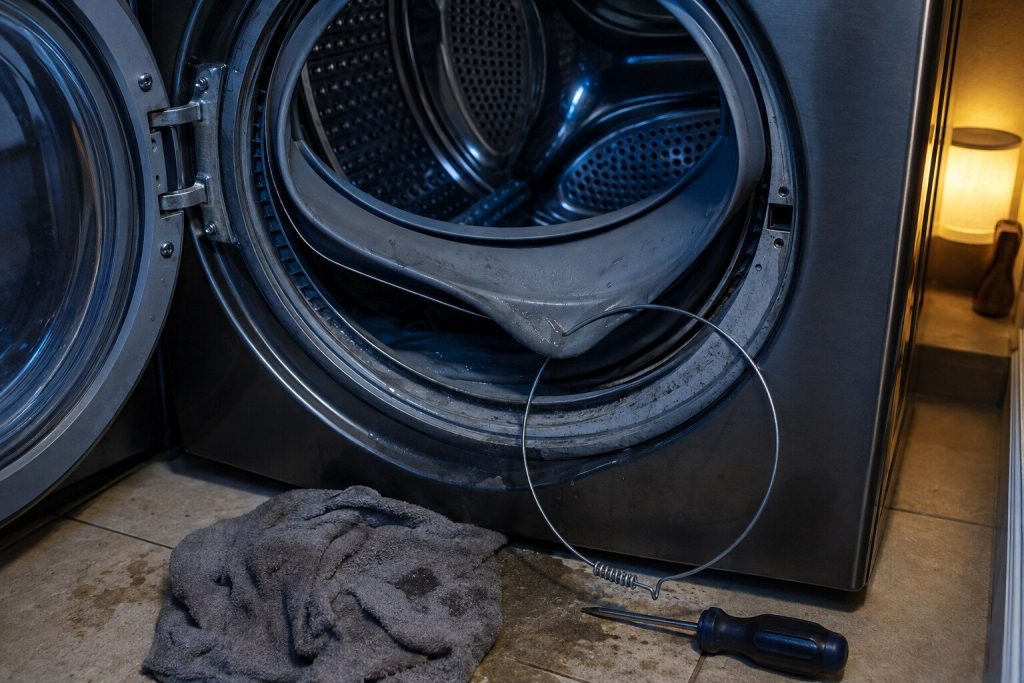
from $155 Washer leak repair
Water on the floor, or Samsung's LC code with nothing visible at all — the level and leak sensing sits low in the cabinet and finds moisture long before it reaches the room. Door seal, hoses, pump seal, dispenser and the tub itself all leak differently, and where the water shows up is what identifies which.
- 1E and LC traced to a source rather than cleared
- Door boot, hoses, pump seal, dispenser and tub checked in order
- Found early, this is a hose rather than a cabinet
-
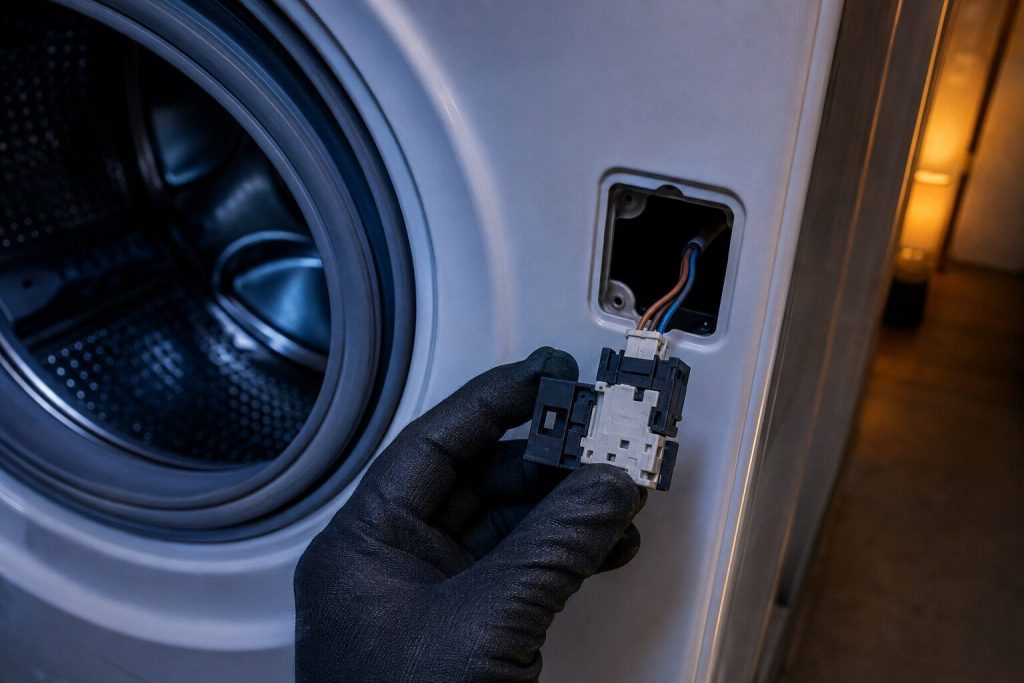
from $155 Washer door lock repair
A front loader will not run with any doubt about its door, and it will not open until it is sure the drum is safe. Samsung's dC family covers both halves of that. Two specifics on this make are worth knowing: on some models dC is an unbalanced load rather than a door, and on a FlexWash a 1dC4 can be nothing more than a missing rubber button beside the latch.
- dC read against the model, because it means two things
- 1dC4 on a FlexWash checked for the missing button first
- Latch, striker, hinge and lock assembly separated
-
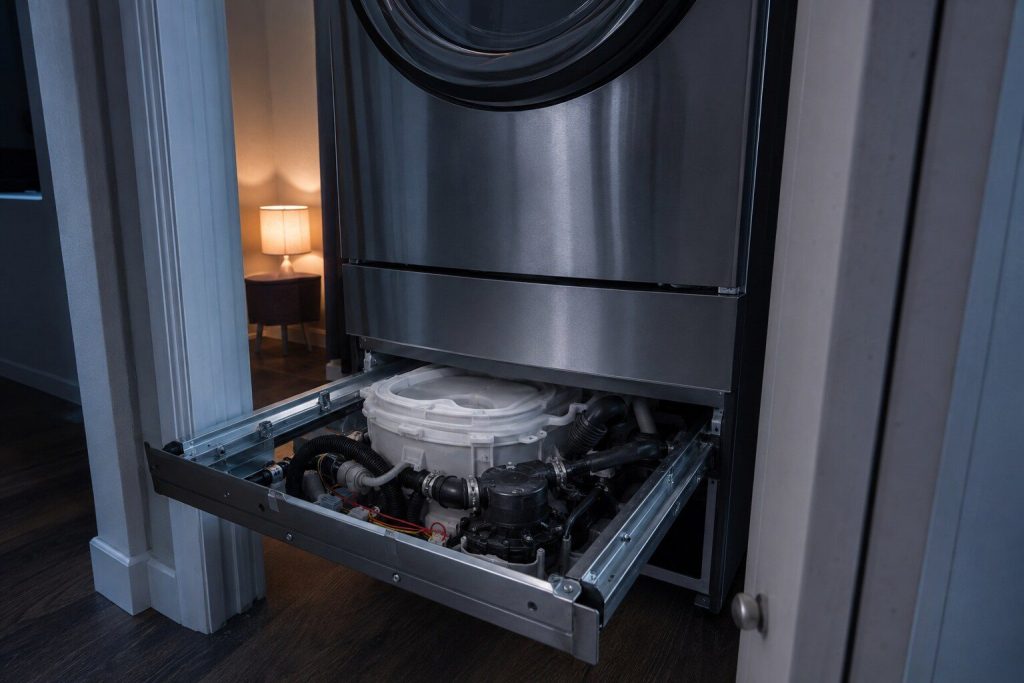
from $195 FlexWash and washer dryer combo repair
Two machines in one cabinet, or one machine doing two jobs. A FlexWash has a second washer underneath the main one; an all-in-one combo washes and then dries in the same drum. Both fail in ways a separate pair never does, because errors cross between the halves and because one control runs everything.
- Upper and lower units diagnosed separately on a FlexWash
- All-in-one combos, including the ventless heat-pump ones
- 1dC4 and the other codes that belong only to these machines
-
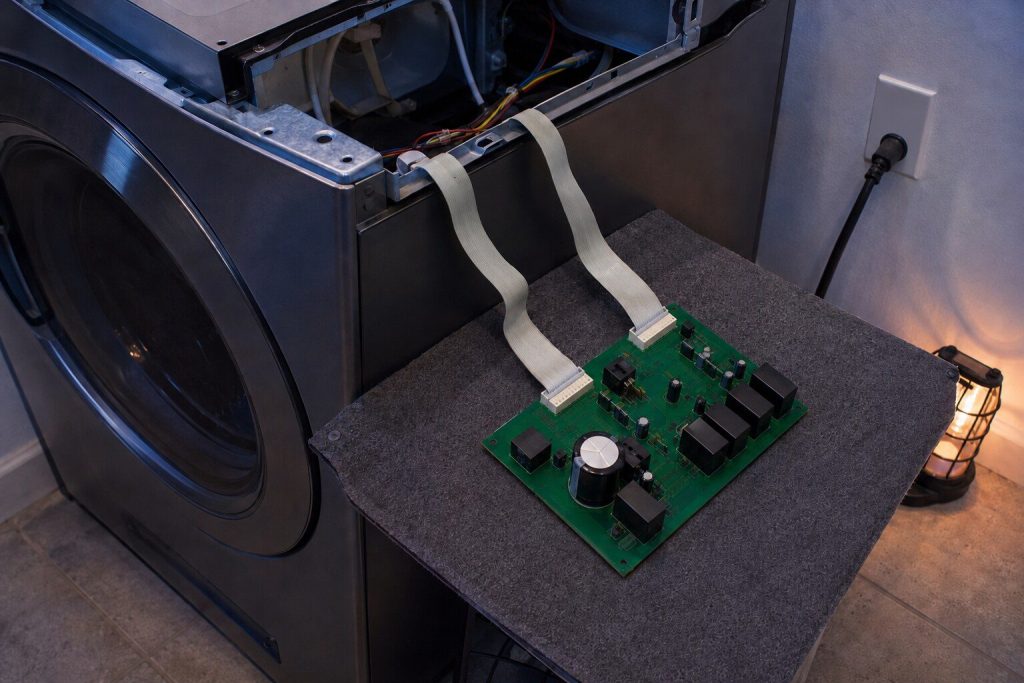
from $265 Appliance control board repair
The most expensive part in most of these machines and the one most often blamed for something else. Communication codes — CE on a dishwasher, AC on a dryer, C-F0 on a range — mean two boards have stopped agreeing, and the connection between them is checked before either one is quoted.
- Harnesses and connectors checked before either board
- Boards measured rather than swapped on suspicion
- Model configuration handled, because a new board needs it
-
from $95 Smart diagnosis and firmware service
A visit that exists because on this make software is sometimes the repair. Samsung names specific models where a code is resolved by a firmware update rather than a part — C-F0 on three induction ranges, the 9C1 a stacked washer reports for its dryer — and a Family Hub refrigerator can hand over a stored list of every code it has recorded.
- Family Hub self check read and written down
- SmartThings connection, updates and the fixes Samsung publishes for them
- The cheapest visit on the site, and sometimes the only one needed
In more detail
About Samsung washers
The widest error vocabulary of any appliance on this badge
Samsung's washer table is the longest it publishes for anything that is not a microwave, and it is grouped by meaning rather than alphabetically: water level and leakage, not filling, hot and cold crossed, no drain, overflow, jammed button, voltage, door, detergent drawer, excessive suds, Add Door, unbalanced load, calibration, downloading, child lock. Several of those are not errors at all — calibration, downloading, child lock and suds are the machine telling you what it is doing — and knowing which is which saves a service call.
Codes that mean two things
Samsung itself flags three: dC is a door error on some models and an unbalanced load on others; 3E is a voltage error on some and a motor error on others; BE2 or 8E2 is a jammed button on some and a Mems sensor on others. Any site that prints one meaning and stops is printing something that is wrong for half the range, so these pages carry both readings and say why.
FlexWash and the combos
A FlexWash has two washers in one cabinet and its own quirk, published by Samsung: a 1dC4 on the upper unit can simply be a missing rubber button next to the latch, and replacing that button fixes it with no service at all. The all-in-one washer-dryer combos and the ventless heat-pump machines add a drying side to everything above, and their errors cross between the two halves in ways a separate pair never does.
This article is based on:
- Official manufacturer documentation
- Internal repair procedures
- Technician repair history
- Company quality standards
Before you book
Questions about Samsung washers
What do 4C, 5C, LC and dC actually mean?
They are the four families most Samsung washer calls fall into, and Samsung groups them itself: 4C and its relatives are not filling, 5C and nd are not draining, 1E and LC are water where it should not be, and dC is the door — except on some models, where dC is an unbalanced load instead. That last one is not us being vague; the maker prints the same warning and tells you to check your own manual, because the same two characters mean two things across the range.
It says SUd, or 5UD. Is the washer broken?
No, and Samsung says so outright: it is an over-sudsing condition, the machine pauses to let the foam collapse, and the cycle carries on by itself. It is caused by too much detergent or a detergent that is not HE. The reason it is worth knowing is that it also causes other codes — a machine full of foam can report a fill or drain problem that vanishes once the suds do.
The lights blink but there is no display. How do I read that?
By which lights, and Samsung publishes the map. The temperature and cycle lights stand in for the digits: Extra Large or High for a fill problem, Small or Low for drain, Hot and Small for hot and cold hoses crossed, and so on. One rule from Samsung worth keeping: treat it as an error only if the machine is also misbehaving, because those lights blink in normal use too.
It keeps stopping mid-cycle with the drum full.
Two very different causes and they are easy to tell apart. If it is trying to spin and giving up, it is an unbalanced load — Ur, Ub, U6 — and it is often genuinely just the laundry. If it is sitting there full with no attempt to spin, it is draining, and that is a filter, a hose or a pump. What you saw it doing last is the most useful thing you can tell us.
Where we do it
Across Miami-Dade, Broward, and Palm Beach
Same terms everywhere we go: an on-site diagnostic first, the price agreed in writing, and the exact figure confirmed once we have seen the unit.
Neighborhoods people ask for by name