Common Problems
Water Under the Crisper Drawer, and the Small Blocked Tube Behind It
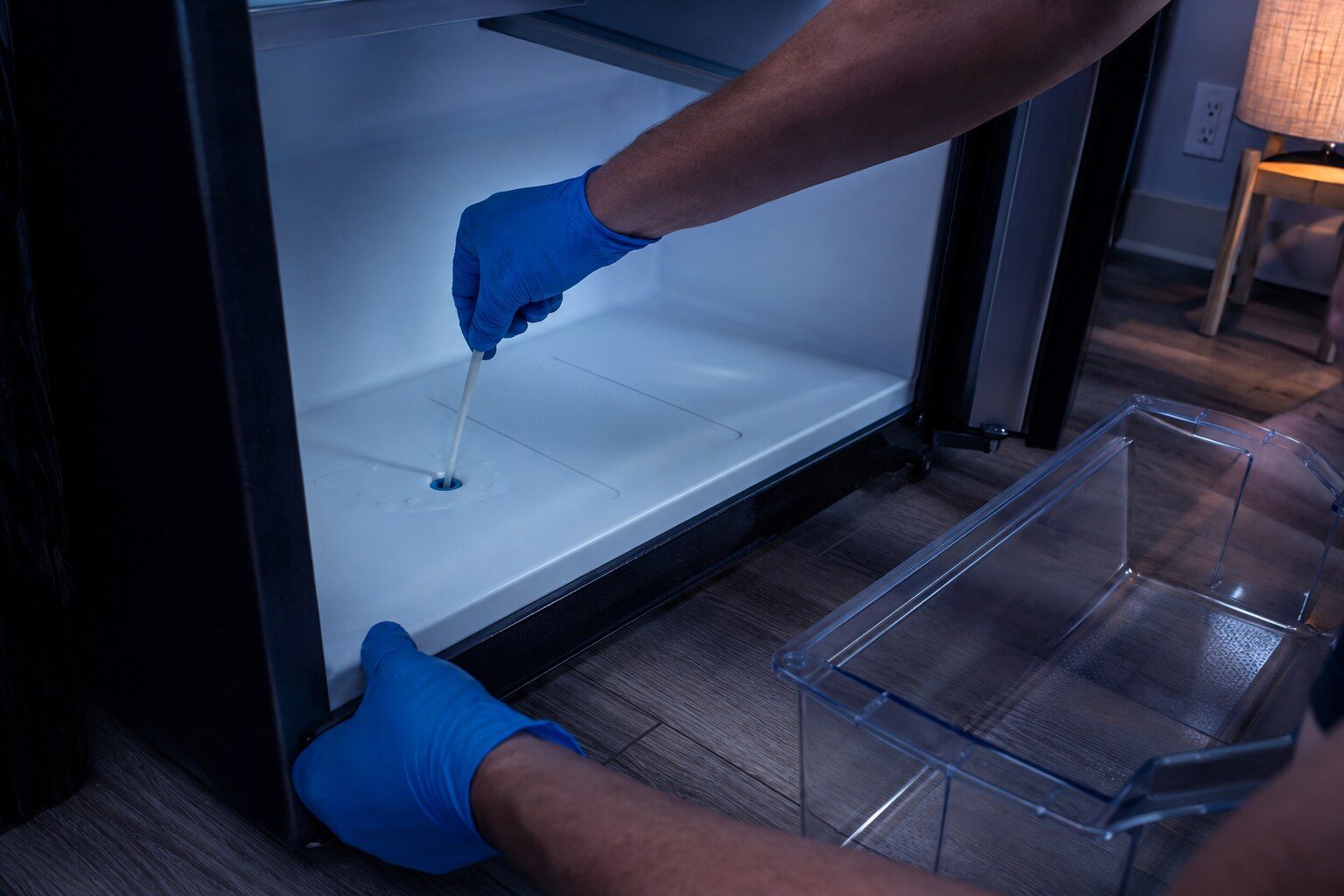
Water pooling under the crisper drawers is the defrost drain, effectively every time. Every refrigerator frosts up its evaporator and melts that frost off on a schedule; the water is supposed to run down a small tube at the back of the cabinet into a pan underneath, where the compressor's heat evaporates it. If that tube narrows — with debris, or with a piece of ice that did not clear on the last cycle — the next cycle's water freezes on top of it, and once it starts it gets worse every cycle. The water then backs up and comes out at the lowest point inside the cabinet, which is under the crispers. It is not the water line, not the filter and not the dispenser: those leak at the front, at the back or into the door, not into the bottom of the fresh-food compartment. The repair is clearing the drain and finding out why the frost was excessive in the first place, which is usually a seal.
The full guide
Samsung refrigerator water leaking into crisper: what that water actually is
It is not supply water. It is melt water, and the refrigerator made it on purpose.
Every frost-free refrigerator builds ice on its evaporator — the cold coil hidden behind a panel in the freezer — simply by doing its job. Air passes over the coil, moisture in that air condenses and freezes, and a layer builds up. Left alone it would eventually block the airflow entirely, so the cabinet runs a defrost cycle every few hours: a small heater warms the coil, the ice melts, and the water runs away.
Where it runs away to is the point of this page. It goes down a short tube at the back of the cabinet, through the insulated wall, and into a shallow pan sitting above or beside the compressor. The compressor is warm, and the water evaporates out of the pan into the room. Nobody ever sees any of it.
When that tube blocks, the water has nowhere to go. It backs up inside the liner, finds the lowest point in the fresh-food compartment, and appears under the crisper drawers — which is why the phrase people type is so specific.
Why the tube blocks in the first place
Two ways, and they compound.
Debris. Small pieces of food, packaging film and general residue work their way down the back wall and into the opening. On its own this narrows the tube rather than blocking it.
Ice. This is the one that matters, and it is self-accelerating. If the tube is narrowed at all, some of the melt water from one defrost cycle sits in it instead of running away. That water is inside a cabinet that then goes back to being cold, so it freezes. The next cycle's water meets a smaller opening, more of it sits, more of it freezes. Once the process starts it goes from nothing to a puddle in about a fortnight, which is why owners so often say it happened suddenly.
Some Samsung cabinets have a small heater or a metal clip at the drain designed to prevent exactly this. When one of those fails, the drain freezes even though nothing is obstructing it.
What it is not
This matters because people spend money in the wrong direction.
Not the water supply line. A supply line leaks at the back of the cabinet, on the floor, usually at a compression fitting. It does not appear inside the fresh-food compartment.
Not the filter or the filter head. Those leak at the front, into the base or down the inside of the door. A filter fitted badly on the last change is a very common cause of a refrigerator that suddenly started leaking — but the water is at the front, not under a drawer.
Not the dispenser. A dripping dispenser leaves water on the outside of the door and on the floor in front of it.
If the water is inside the cabinet, in the well under the crispers, with the shelf above it dry, you are almost certainly looking at the defrost drain. It is worth photographing before you clean it up, because that is the whole diagnosis and it is gone once you have mopped.
The half of the repair people skip
Clearing the drain gets you a dry cabinet. Finding out why there was so much frost to melt is what stops it happening again.
A defrost cycle is designed for the amount of ice a healthy cabinet builds in normal use. If the cabinet is taking in far more moisture than it was designed for, the cycle cannot keep up — more ice forms than melts, the melt water is more than the drain expects, and the whole system runs at the edge of its capacity.
In a South Florida kitchen the usual reason is a door. Not a broken door: a gasket that has lost its grip along part of its length, or a door that is being held a millimeter open by a bottle at the back of a shelf, or a heavy door that has settled on its hinge over ten years. Any of those lets warm wet air walk in continuously, and August air here carries a great deal of water.
The test costs nothing. Close each door on a piece of paper or a dollar bill and pull it out. It should drag, all the way round, on both doors. Wherever it slides out easily is where the air is getting in.
While you are in there
Two other things are worth a look, because you have the drawers out anyway.
The vents. The back wall of the fresh-food compartment has vents that the cold arrives through. Anything pressed hard against them — a large flat container, a cereal box — blocks the airflow, which makes the compartment warmer, which makes the compressor run longer, which produces more frost. It is a small cause with a compounding effect.
Where the water reached. Water that has been sitting in the well under the crispers for a while gets into the insulation through the drain opening, and it can freeze there. If the water is not new, mention that; it changes what a technician looks for.
When it is a visit
If warm water poured into the drain opening backs up rather than draining away, the tube is frozen solid rather than partly blocked, and clearing it properly means getting behind the rear panel of the freezer. That is not a difficult repair, but it is a strip-down, and it is the point at which the defrost circuit itself gets tested — because a cabinet that ices its own drain shut is sometimes a cabinet whose defrost heater is no longer running to schedule.
That is also the visit where the seals get tested properly rather than with a dollar bill, and where the two get connected. Almost every one of these calls has both halves in it, and only one of them is visible from the kitchen.
Questions people ask about this
There is water in the pan underneath as well. Is that a second leak?
No — that pan is where melt water is meant to go. It sits above or beside the compressor and the heat evaporates it. It is only a problem if it overflows, which usually means the cabinet is defrosting far more often than it should, and that points back at a door or a seal.
Could it be the water filter after all?
A filter or its head leaks at the front of the cabinet or into the base, not into the bottom of the fresh-food compartment under a drawer. If the water is under the crispers, the filter is very unlikely. If it is on the floor at the front, that is a different page.
Can I clear the drain myself?
Sometimes. On many cabinets the drain opening is at the bottom of the rear wall of the fresh-food compartment, behind a cover, and warm water poured slowly into it will clear a partial block. What we would not do is push anything rigid down it: the tube is thin plastic and the end of it sits over a pan you cannot see.
It comes back a few weeks after being cleared.
Then the drain was the symptom rather than the cause. Something is producing more frost than the defrost cycle was designed to clear — usually a door seal that has stopped making contact, or a door that is being held open a fraction by an overfilled shelf. Clearing the drain again will buy the same few weeks.
Common Problems
More guides like this one
-
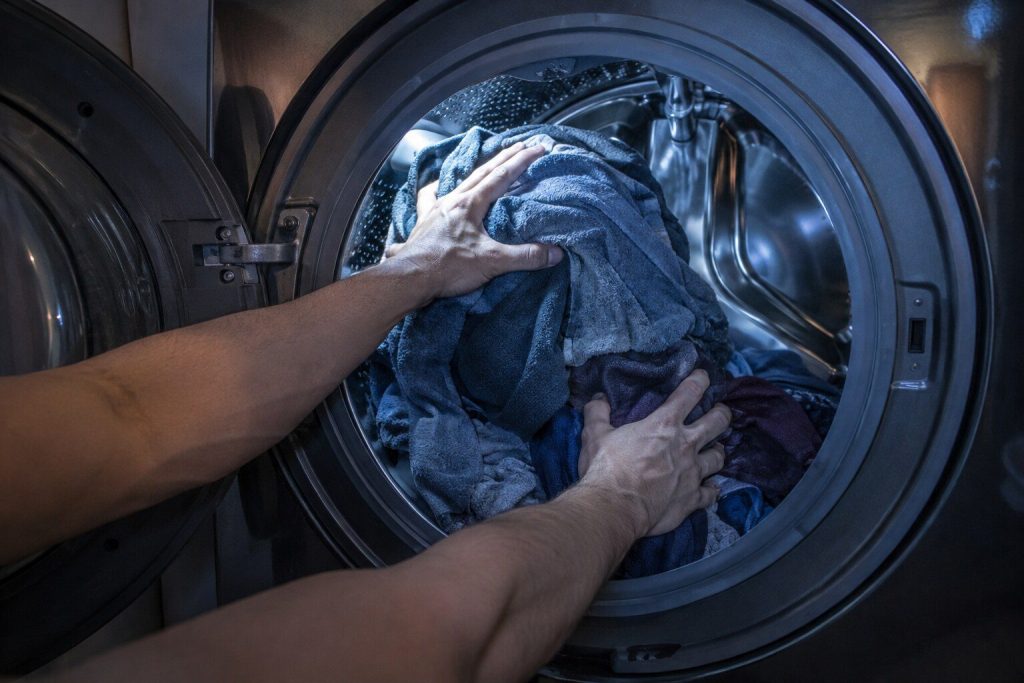
A Washer That Will Not Spin: Is It the Load or the Machine?
Ten minutes and three towels settle it. Samsung's Ub and Ur codes mean the machine has decided the load cannot be spun safely — and most of the time it is right about the laundry.
Read more -
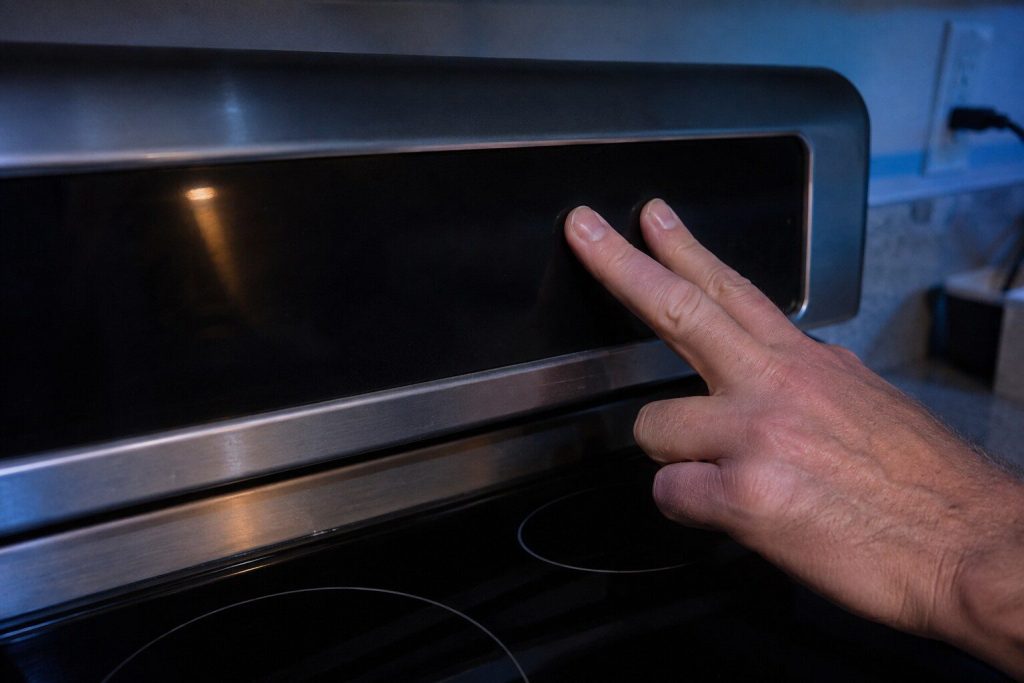
An Oven That Turns Itself On, and the Three Explanations
Three causes, and two of them are free to rule out. The third is worth acting on the same day, because an oven that heats without being asked is not a thing to live with.
Read more -
A Noise That Stops When You Open the Door Is Almost Always One Thing
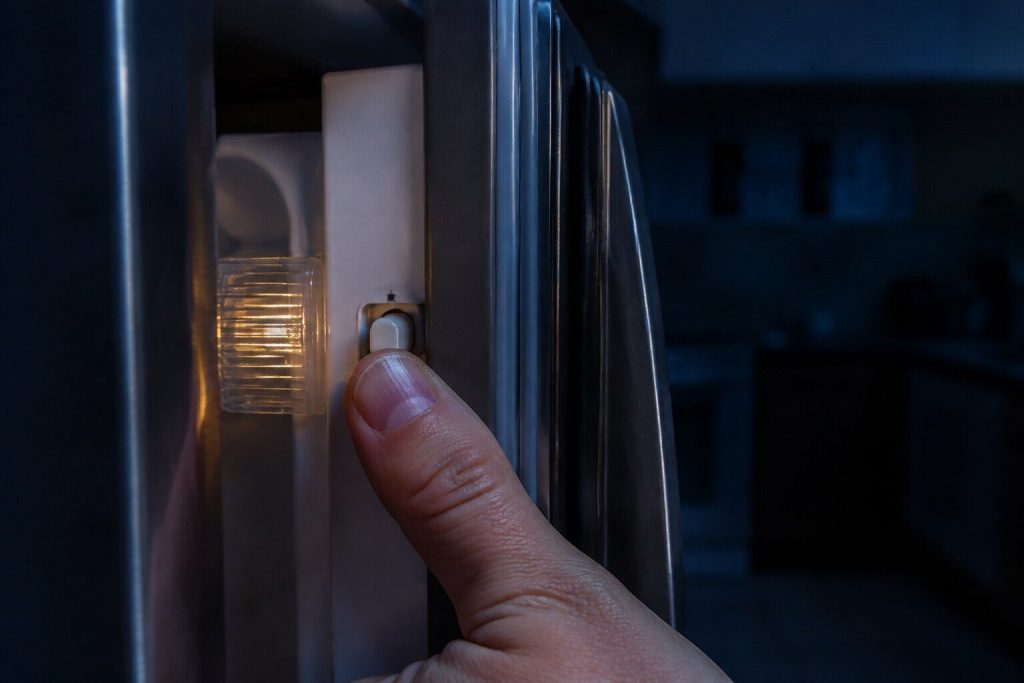
Opening the door cuts power to the evaporator fan. So a noise that stops the moment you open it is that fan — and on this make the usual reason is ice on the blade rather than a dead motor.
Read more
Tell us the model number and what it is doing.
This article is based on:
- Official manufacturer documentation
- Internal repair procedures
- Technician repair history
- Company quality standards