Common Problems
A Noise That Stops When You Open the Door Is Almost Always One Thing
Opening a refrigerator door switches off the evaporator fan, so any noise that stops the instant you open the door is coming from that fan. On Samsung cabinets the usual cause is not a failed motor: it is ice on the blade or in the fan housing, and Samsung says as much in its own explanation of the two fan codes it publishes, 21E for the freezer fan and 22E or 22C for the fresh-food fan. Ice gets there because a door was left open, or because a gasket has stopped sealing, so the repair has two halves — clear the ice, and find out what let the moisture in. A ticking or scraping that changes pitch is a blade touching ice. A drone or rattle that has grown over weeks, and that also stops with the door, is a bearing. Both are worth acting on early, because the ice is a symptom of something else and it is growing.
The full guide
Samsung refrigerator making noise: the test takes two seconds and it is nearly conclusive
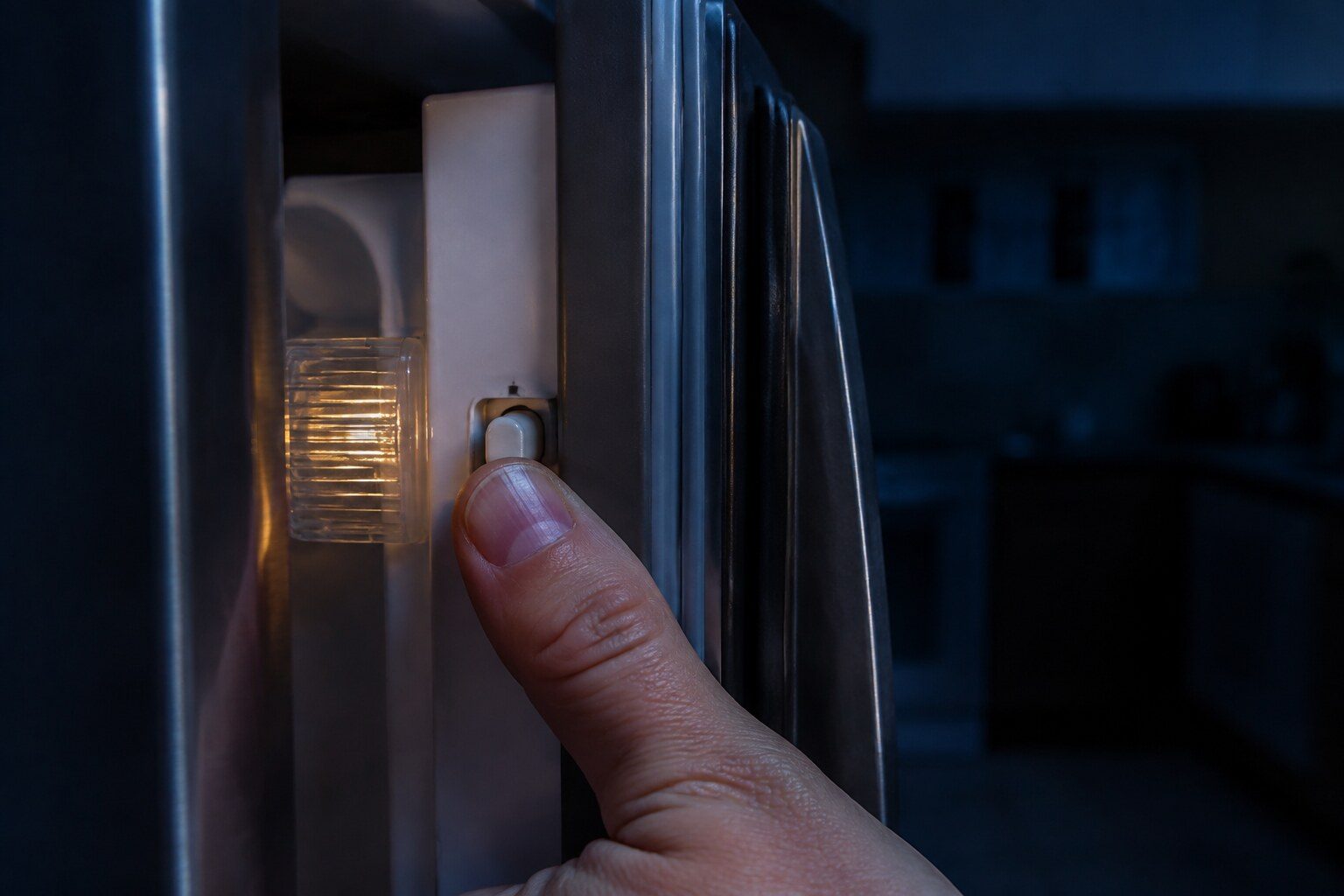
Open the door. If the noise stops immediately, it is the evaporator fan.
That works because of a design decision every refrigerator makes: the door switch that turns on the interior light also cuts power to the fan that circulates cold air inside the cabinet. There is no point blowing chilled air out into the kitchen while somebody is deciding what to have for lunch. So the fan runs when the door is shut and stops when it opens, and any noise tied to that behavior is tied to that fan.
Almost nothing else in the cabinet behaves that way. The compressor keeps running. The ice maker keeps its own schedule. The condenser fan underneath is unaffected. If the noise stops with the door, you have narrowed it to one component in about two seconds, which is better than most diagnostics manage in an hour.
On this make it is usually ice, not a motor
This is where Samsung differs from a general answer, and it is worth knowing before anybody quotes you for a fan.
Samsung publishes two codes for these fans — 21E for the freezer fan and 22E or 22C for the fresh-food one — and in their own explanation of both, the cause they name first is a fan that has frozen up. Not a fan that has failed. Their reasoning is that the ice got there because a door was left open, or because there is a gap in a door gasket that should be closed.
That matches what we find. A blade catching a rim of ice makes exactly the sound people describe: a tick, a scrape, or a rhythmic tap that changes as the blade shifts. It gets worse over days. And it is not a fan problem at all — it is a moisture problem wearing a fan's clothes.
Which means the repair has two halves. Getting the ice off, and finding out what let the warm wet air in. Do the first and skip the second and you will be back here in a few weeks, which is why some households have had this repair twice.
Telling the two apart
A tick, tap or scrape that changes character. Blade against ice. It often gets louder over several days, and it may disappear briefly after a defrost cycle and come back.
A steady drone or a rattle that has grown over weeks. A bearing in the fan motor. This one does not come and go, and it does not respond to a defrost.
A grinding or a rubbing that is there from the moment the door shuts. Either, and worth looking at sooner rather than later.
All three stop when the door opens, which is why the test tells you the location and not the cause.
Record it
This is the single most useful thing you can do before calling anybody, and it takes thirty seconds.
Noises are almost impossible to describe. "A whirring" means five different things to five people, and half the calls we take about refrigerator noise are resolved on the phone once we have actually heard it. Video with sound, from about a foot away, with the door closed. Then open the door on camera so the change is on the recording too.
Note the pattern as well: continuously, only after the doors have been shut for a while, or in bursts a few times a day. A noise in bursts a few times a day is very likely the ice maker harvesting, which is loud by design and is not a problem at all.
What is normal, and worth knowing
A modern refrigerator is not silent and several of its noises alarm people who have moved from an older machine.
Cracking and popping as the cabinet goes through a defrost cycle — plastic parts expanding and contracting against each other. A gurgle or a trickle as refrigerant moves through the system. A whoosh as the doors close, which is the pressure equalising. Ice cracking loose and clattering into the bucket several times a day. And a fan audibly speeding up for a while after the doors have been open a lot, which is the cabinet catching up.
None of those needs anybody called out. What separates them from the noise on this page is that none of them stops the moment you open the door.
What we do about it
The fan sits behind the rear panel of the compartment, so getting to it means taking that panel out — which also means the evaporator is exposed, which is where the rest of the diagnosis happens.
If there is ice on the blade, there is ice on the coil, and how much of it there is says something. A light rim on the fan and a clear coil is a marginal seal. A coil solid with frost and a fan buried in it is a defrost problem as well, and both get dealt with in the same visit.
Then the gaskets, because that is where the moisture came from. Not a glance — a proper check along the full length of both doors, and a look at whether the door itself is sitting square. A heavy door that has settled on its hinge over ten years does not look wrong and does not seal.
And finally the fan itself, tested rather than replaced on suspicion. A motor that turns freely and quietly once the ice is off is a motor that was never the problem, and replacing it would have been an expensive way of not fixing anything.
Questions people ask about this
Why does the door switch stop the fan at all?
So that the cabinet does not blow its cold air into your kitchen while the door is open. It is the same switch that turns the interior light on, which is why the two behaviors go together, and it is what makes this such a clean diagnostic test.
It only makes the noise at night.
Almost certainly it makes it all day and the house is quieter at night. That is still useful information: a noise you can only hear in silence is usually a bearing or a blade rather than anything structural.
Can I just live with it?
If it is a blade touching ice, no — the ice is a symptom of a cabinet taking in moisture it should not be, and it will grow until the fan stalls, at which point the compartment starts getting warm. Dealing with it while the noise is the only symptom is much the cheaper version.
What noises are normal on a Samsung refrigerator?
Cracking and popping through a defrost cycle as plastic parts expand and contract. A gurgle as refrigerant moves. A whoosh as the doors close. Ice harvesting several times a day, which is loud on some cabinets. And a fan speeding up after the doors have been open. None of those needs a technician.
Common Problems
More guides like this one
-
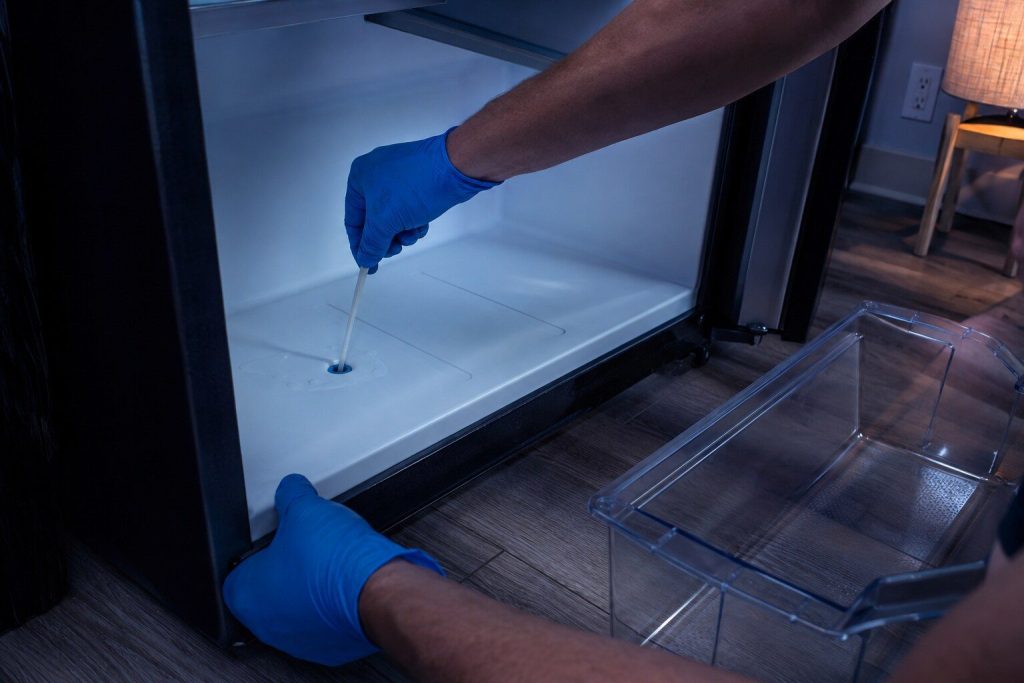
Water Under the Crisper Drawer, and the Small Blocked Tube Behind It
Water in that exact place is almost never the water line and almost never the filter. It is melt water that cannot get out, and the tube it should be leaving by has frozen shut.
Read more -
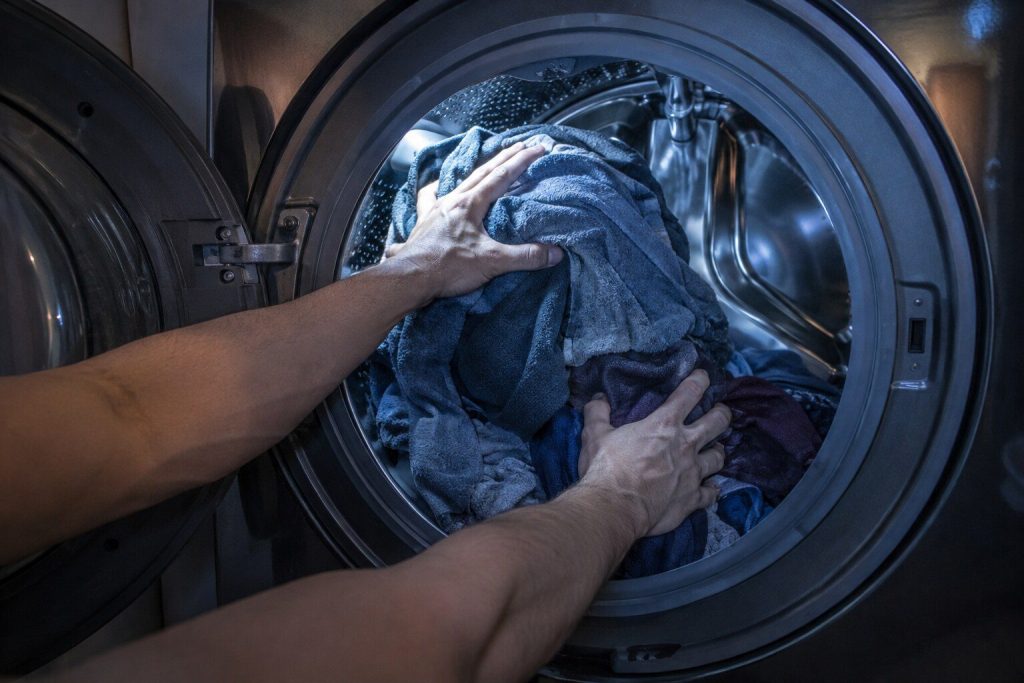
A Washer That Will Not Spin: Is It the Load or the Machine?
Ten minutes and three towels settle it. Samsung's Ub and Ur codes mean the machine has decided the load cannot be spun safely — and most of the time it is right about the laundry.
Read more -
An Oven That Turns Itself On, and the Three Explanations
Three causes, and two of them are free to rule out. The third is worth acting on the same day, because an oven that heats without being asked is not a thing to live with.
Read more
Tell us the model number and what it is doing.
This article is based on:
- Official manufacturer documentation
- Internal repair procedures
- Technician repair history
- Company quality standards