Common Problems
Freezer Fine, Fridge Warm: What That Combination Rules Out
Most Samsung refrigerators cool both compartments from one evaporator, which lives on the freezer side. Air is moved across to the fresh-food compartment through a duct and past a damper. So a cold freezer with a warm fridge means cold is being made and not delivered — which rules out the compressor, the refrigerant and the sealed system, the most expensive repair on the appliance. What is left is airflow: vents blocked by food at the back of the compartment, a damper that has stuck shut, the fresh-food fan Samsung reports as 22E, or frost on the evaporator that has choked the air path. On a 4-Door Flex or FlexZone cabinet there is a fifth possibility that costs nothing: a convertible compartment that has been set to the wrong mode. Check the vents and the setting before anybody is called.
The full guide
How do I fix my Samsung freezer not freezing? Why this split is good news
It surprises people that a refrigerator holding two very different temperatures usually has only one cooling system.
The evaporator — the cold coil that actually removes heat — sits behind a panel on the freezer side. The freezer is cooled by air passing directly over it. The fresh-food compartment is cooled by some of that same air being pushed across through a duct, past a damper that opens and closes to control how much gets through.
So when the freezer is cold and the fridge is not, you already know a great deal:
The compressor is running. The refrigerant is there. The sealed system is doing its job, because cold is demonstrably being made. That is the most expensive repair on the appliance, and this one observation takes it off the table before anybody opens anything.
What is failing is the delivery.
Start with the free ones
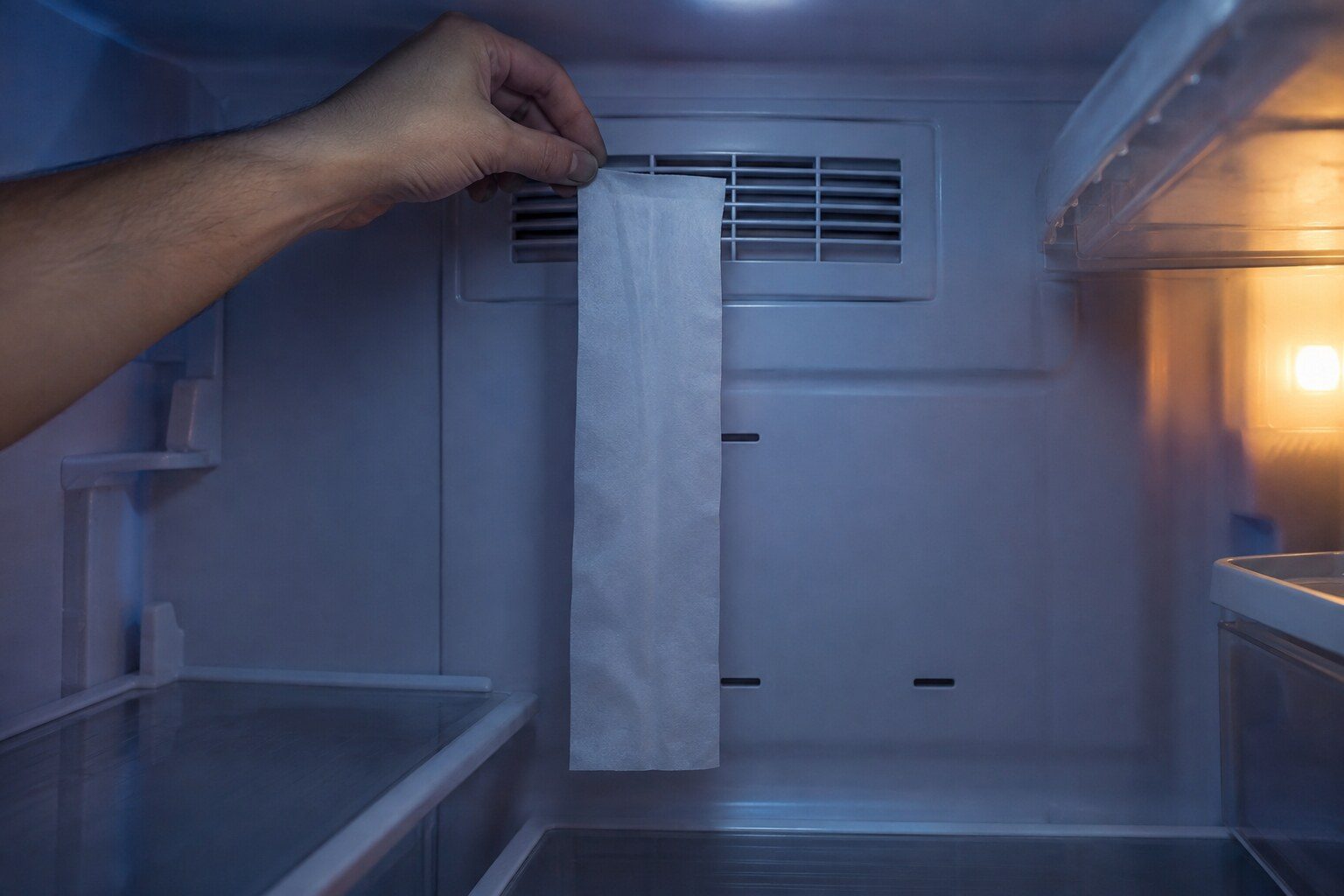
The vents. Take everything off the back wall of the fresh-food compartment and look for the openings the cold arrives through — usually two or three, sometimes behind a plastic cover. Anything pressed hard against them stops the air. A cereal box, a large flat container, a tray of leftovers pushed right back: any of those will produce this complaint on a completely healthy machine, and clearing them fixes it in an hour.
This is not a rare cause. It is one of the most common, and it costs nothing.
The convertible compartment, if you have one. On a 4-Door Flex or a cabinet with a FlexZone drawer, there is a setting that decides whether that compartment refrigerates or freezes. It is on the panel. It gets changed by accident — by a child, by somebody cleaning, by somebody exploring the display — and a compartment set to the wrong mode is doing exactly what it was asked to.
Measure, do not judge. Put a thermometer on a middle shelf in each compartment and leave it an hour. Around 37°F above and around 0°F below is where they should be. The panel is one of the things under suspicion, so it cannot be the evidence.
The three real causes
The damper. A flap in the duct between the two compartments that opens to let cold into the fresh-food side. Stuck shut, it gives you exactly this. It is a modest repair and it is the most specific cause of the split.
The fresh-food fan. Some cabinets have a second fan dedicated to moving air into the fresh-food side, and Samsung publishes 22E or 22C for it. Their own explanation names the cause they see most: running the refrigerator with a door left open long enough for the fan to freeze. The recovery they publish is worth trying first — power off, doors open for a few hours so everything comes to room temperature, then restart — because a fan freed by defrosting often stays free.
Frost on the evaporator. The gradual one. Ice builds on the coil until air can no longer pass through it, and because the freezer is right next to the coil it keeps its temperature long after the fresh-food side has started to suffer. The tell is timing: a fridge that has got warmer over days or weeks rather than overnight.
Which way round matters
The opposite split — a warm freezer with a cold fridge — is less common and means something different, because the freezer is where the cold is made. That points at the evaporator, the defrost circuit or the freezer fan itself rather than at the duct between the two.
And everything warm at once is a third picture entirely: check for Cooling Off mode first, because Samsung's showroom mode lights the whole panel and does not cool at all.
Saying which of the three you have, on the phone, changes what we bring.
The cabinets that are genuinely two systems
A minority of Samsung cabinets have independent cooling for each compartment. On those, a warm fridge with a cold freezer is a problem in the fresh-food system rather than a duct problem, and the reasoning above does not apply in the same way.
The model number tells us which you have. It is inside the fresh-food compartment, usually on the left wall, and it is the first thing worth reading out.
What we do about it
Vents and settings first, because they are free and because a real share of these calls end there.
Then temperatures measured in both compartments, so there is a number rather than an impression. Then air: is any moving into the fresh-food side at all, with the door switch held in?
Then the rear panel comes out of the freezer, which is where the damper, the fan and the evaporator all become visible at once. That is usually the moment the answer becomes obvious — a fan buried in ice, a coil solid with frost, or a damper that will not move.
And then the second half, which is the part that decides whether the repair lasts: what let the moisture in. Almost every frosted evaporator in this city has a door or a gasket behind it, and a repair that fixes the ice without fixing the reason gets you a few good weeks.
Questions people ask about this
Should I turn the fridge colder to compensate?
It rarely helps and often makes it worse. The freezer gets colder, more frost forms on the evaporator, and the airflow that was already marginal gets worse. Better to find out why the air is not arriving.
The freezer seems colder than usual as well.
Very likely related, and it supports the airflow explanation. If cold is not being carried away to the fresh-food side, it stays where it is made. A freezer running below its setting alongside a warm fridge is a classic picture.
My cabinet has a FlexZone drawer.
Then check what it has been told to be before anything else. A convertible compartment has a setting that decides whether it refrigerates or freezes, and it gets changed by accident more than anything else in a kitchen.
How do I know if it is frost on the evaporator?
By looking, which means taking the rear panel out of the freezer. Short of that, the pattern is diagnostic: a fresh-food side that has got gradually warmer over days or weeks, rather than suddenly, is the shape frost makes.
Common Problems
More guides like this one
-
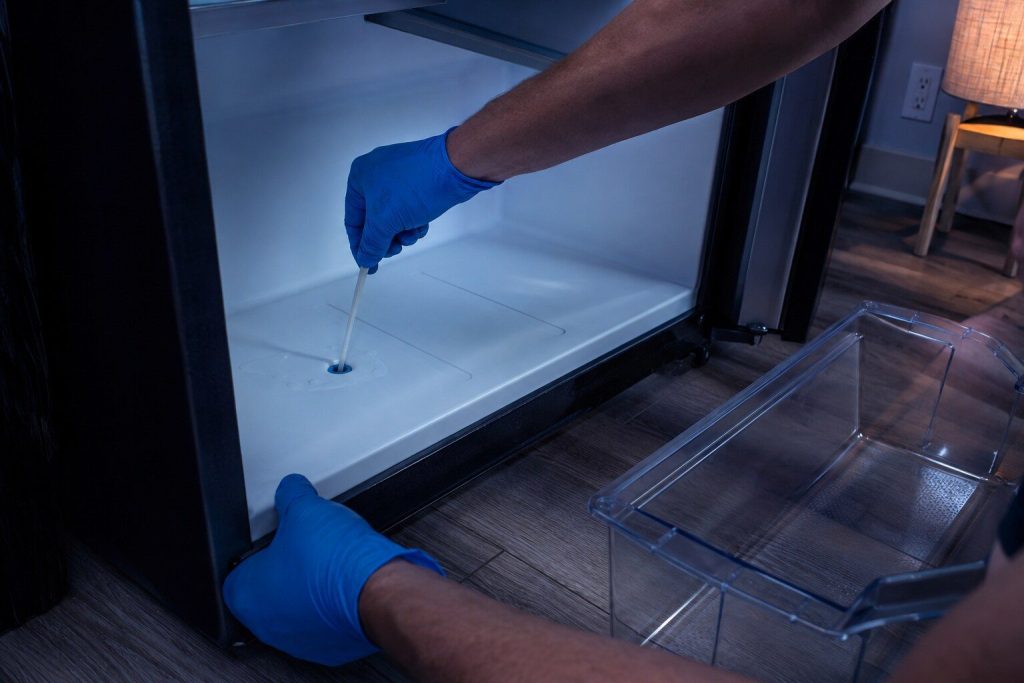
Water Under the Crisper Drawer, and the Small Blocked Tube Behind It
Water in that exact place is almost never the water line and almost never the filter. It is melt water that cannot get out, and the tube it should be leaving by has frozen shut.
Read more -
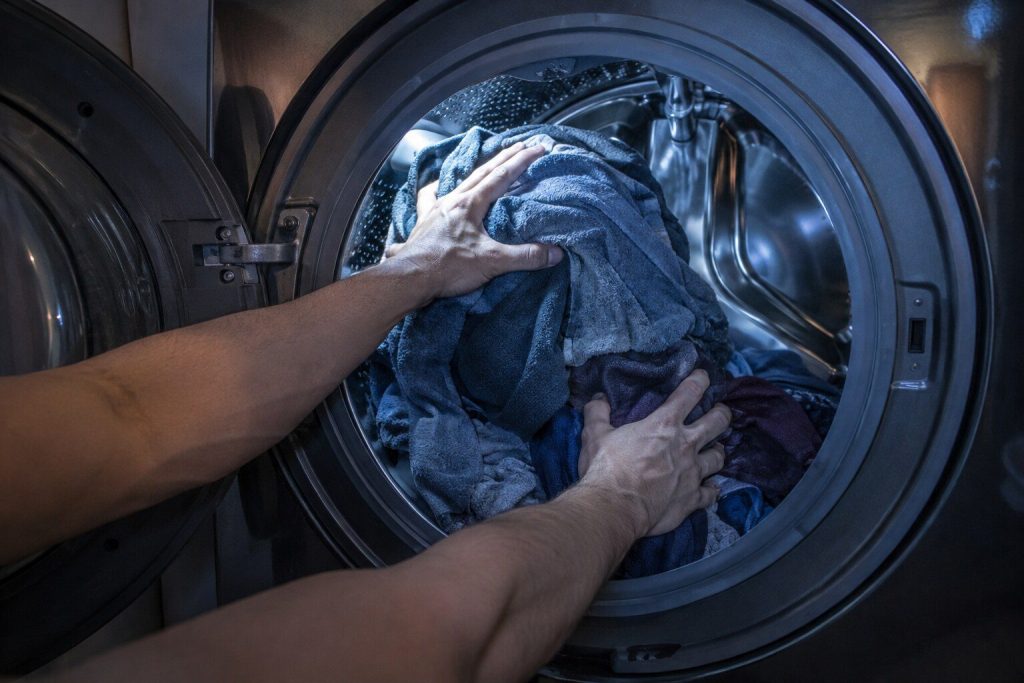
A Washer That Will Not Spin: Is It the Load or the Machine?
Ten minutes and three towels settle it. Samsung's Ub and Ur codes mean the machine has decided the load cannot be spun safely — and most of the time it is right about the laundry.
Read more -
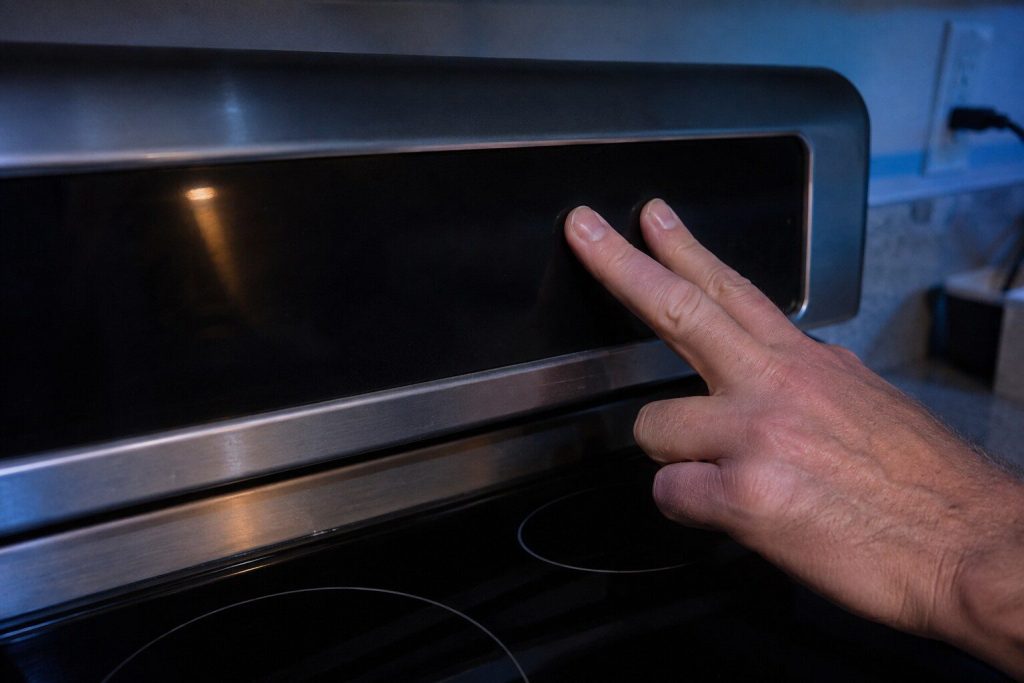
An Oven That Turns Itself On, and the Three Explanations
Three causes, and two of them are free to rule out. The third is worth acting on the same day, because an oven that heats without being asked is not a thing to live with.
Read more
Tell us the model number and what it is doing.
This article is based on:
- Official manufacturer documentation
- Internal repair procedures
- Technician repair history
- Company quality standards